Why knowing something is bad for you rarely makes you stop doing it
Ask most smokers whether cigarettes are harmful and they'll say yes without hesitation. Ask most people whether they should exercise more, eat better, or stop checking their phone at midnight, and you'll get the same easy agreement. Knowing isn't the problem. So why doesn't knowing produce change?
The Dalai Lama lays out a four-stage sequence that explains the gap. The first stage is learning, plain information about what helps and what harms. But learning alone rarely moves anyone. It has to deepen into conviction, a settled inner certainty that this really matters, not just an idea you'd nod along to. Conviction, in turn, has to harden into determination, an active commitment to actually change. And determination only produces results when it's backed by sustained effort, the unglamorous, repeated work of building a new habit in place of an old one.
He points to public health as a working example, information campaigns about smoking's dangers measurably changed behavior in countries where that information circulated freely, in a way it didn't in places where it was harder to access. He also identifies a specific ingredient that speeds the whole process along, urgency. Widespread awareness of AIDS, he notes, visibly altered people's sexual behavior, not because the facts were new, but because the facts arrived charged with immediate stakes. Urgency, he argues, can even override normal limits, describing how a governor watched supposedly individualistic citizens cooperate intensely during severe flooding, driven by the sheer emergency of the situation.
The last piece is patience with the timeline itself. The Dalai Lama has been rising before dawn each morning for decades; he says it took months of deliberate effort before it became automatic, requiring no willpower at all. He's equally direct about his own spiritual development, describing more than forty years of gradual change rather than any single breakthrough. His caution to Cutler is specific, if someone claims a big transformation happened in two years, be skeptical; if they describe years of steady effort, that's more likely to be real and to last.
Choose one behavior you already know is working against you, and before trying to force change through sheer willpower, spend real time studying exactly how it's undermining your happiness, until the knowledge stops feeling abstract and starts feeling urgent. Find or create a concrete deadline or stake that makes the cost of staying the same feel immediate rather than someday, since urgency is what turns knowledge into determination. Commit to one small, repeatable action tied to the change, something you can do today, rather than a dramatic overhaul you'll abandon within a week. Expect the new habit to take months, not days, to stop requiring effort, and don't treat the slow pace as evidence that it isn't working.
What You'll Achieve
The listener understands why knowledge alone rarely changes behavior, learns to deliberately build conviction and urgency rather than relying on willpower, and sets realistic expectations about how long genuine change actually takes to stick.
Build change through urgency, not willpower
*Study the cost properly*
Before trying to force change through willpower alone, spend real time examining exactly how the behavior undermines your happiness, until the knowledge stops feeling abstract.
*Manufacture urgency*
Find or create a concrete stake or deadline that makes the cost of staying the same feel immediate, since urgency is what turns knowledge into determination.
*Start with one small repeatable action*
Commit to something specific and doable today rather than a sweeping overhaul, since the daily repetition is what eventually builds the new habit.
*Give it months, not days*
Expect the new habit to take real time before it feels automatic, and don't mistake the slow early pace for proof that the change isn't taking hold.
Reflection Questions
- What's something you've known for years is bad for you, but haven't changed?
- What would make the cost of staying the same feel urgent rather than abstract?
- Are you expecting a change you're attempting to take effect faster than is realistic?
Personalization Tips
- Someone who's known for years that late-night screen use wrecks their sleep finally changes only after tying the habit to a concrete, urgent stake, like an early morning commitment they can't miss.
- A person trying to build a saving habit starts with one small automatic transfer each payday rather than an ambitious budget overhaul they abandon within a month.
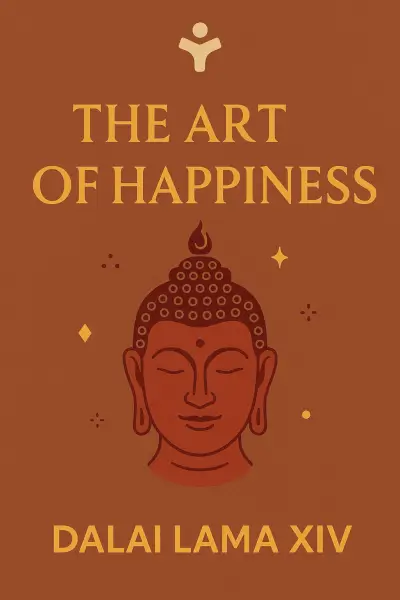
The Art of Happiness: A Handbook for Living
Ready to Take Action?
Get the Mentorist app and turn insights like these into daily habits.