A cough drop that wouldn't get thrown away for days
Dana means to return a library book. She puts it by the front door on Monday so she won't forget it. On Tuesday she picks it up, puts it in her bag, walks to her car, and drives to work without stopping at the library, because something else caught her attention between the door and the car and the book simply stopped being the thing in front of her mind. On Wednesday the book is still in the bag. She sees it, thinks today, and by evening it's still there, overdue.
This isn't laziness, and Dana isn't avoiding the library. She wants to return the book. She feels no dread about doing it. She's actually looking forward to getting it done. And yet it doesn't happen, over and over, on a scale so small nobody would ever call it a symptom of anything.
Edward Hallowell names this exact pattern the cough drop sign, after a patient who once described a cough drop sitting on her car dashboard for days. She kept meaning to throw it away - at her first stop, then the gas station, then when she got home - and each time some small demand of the moment displaced the intention before she could act on it. By the next morning it was still there, and she burst into tears, because she suddenly saw that her whole life worked this way, not just with cough drops but with important phone calls, bills, promises to people she loved.
The cough drop sign captures something particular about adult ADD that ordinary procrastination doesn't explain. Procrastination usually involves some resistance - dread, fear of doing something badly, boredom. This is different. There's no resistance at all. The intention is genuine, the desire to act is present, and the follow-through still doesn't happen, because the busyness of each passing moment overwrites the memory of what you meant to do next, the way a new recording can overwrite an old one on the same tape. You can walk to the kitchen for a glass of water and forget, by the time you get there, why you went.
Recognizing the pattern matters because it changes what kind of help actually works. Telling Dana to want it more, or to feel guiltier about forgetting, targets the wrong problem entirely. Only external anchors sturdy enough to survive the ordinary interruptions of a day will reliably get the book back to the library.
The moment you notice a task you mean to do, act on it immediately in some small way, because waiting even a few minutes gives the busyness of the day a chance to overwrite the intention entirely. Put the object physically in your path rather than somewhere convenient to ignore, so you can't get where you're going without dealing with it. Attach one outside anchor to each intention - a single note, one alarm, a text to yourself - rather than trusting your memory to carry it forward. And when you catch yourself forgetting something you genuinely wanted to do, resist turning it into evidence you're careless; treat it instead as a sign you need a sturdier system, not a sturdier will.
What You'll Achieve
The listener recognizes a specific pattern of good intentions that never turn into action, understands why it isn't ordinary procrastination or lack of caring, and starts building small physical anchors instead of relying on willpower or memory to close the gap between meaning to do something and doing it.
How to outsmart the cough drop sign
*Act the moment you notice the task*
Do the smallest possible version of it right then, since waiting even a few minutes invites the intention to be overwritten by whatever happens next.
*Put the task in your physical path*
Leave the object somewhere you'll have to physically move it to get where you're going, rather than somewhere it's easy to walk past.
*Use one outside anchor per intention*
Write a single note, set one alarm, or send yourself a text the moment you form the intention, instead of trusting yourself to remember it later.
*Stop reading the forgetting as a character flaw*
Notice the difference between avoiding something you dread and genuinely wanting to do something you keep not doing, and answer the second with better systems, not more guilt.
Reflection Questions
- What is something you have genuinely wanted to do for weeks but somehow never gotten to?
- Does the explanation feel more like dread, or more like the task simply keeps vanishing from your mind the moment something else happens?
- What single physical reminder could you put directly in your own path this week?
Personalization Tips
- Someone who keeps meaning to reply to a friend's text for a week isn't avoiding the friend; the reply keeps losing to whatever is happening in the moment.
- A person who buys the same forgotten birthday card twice a year might do better taping it to the steering wheel than promising themselves they'll remember.
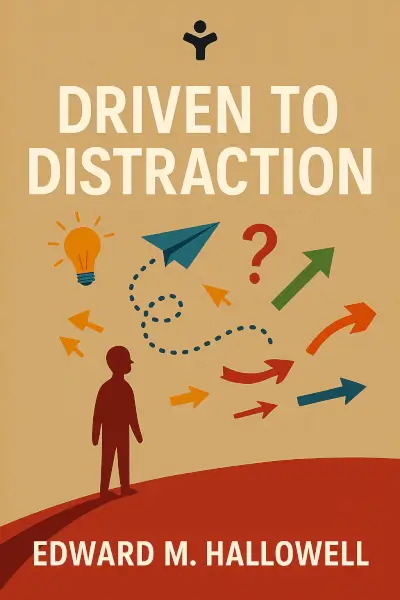
Driven to Distraction: Recognizing and Coping with Attention Deficit Disorder from Childhood Through Adulthood
Ready to Take Action?
Get the Mentorist app and turn insights like these into daily habits.