Justice and Peace: Why Fairness is Essential for Lasting Harmony
In a city neighborhood once plagued by gang violence, an unexpected calm settles after a new police chief arrives. Patrols increase, and trouble all but disappears—at least on the surface. However, local youth complain of unfair searches, landlords raise rents, and many residents feel excluded from community councils.
Social science warns that apparent peace masking deep injustice—the so-called 'order without justice'—rarely lasts. Kelman’s research underscores that unless justice—meaning fair access, equal rights, and respect—is part of the peace process, structural unrest simmers just below the surface. This can return as renewed conflict or, at best, ongoing social tension.
True stability is measured not just by lack of violence, but by whether everyone experiences safety, opportunity, and agency. In practice, closing the gap means conflict solutions must translate into real-world gains for equity and rights—all the way from schoolrooms to public policy. Communities that track participation, satisfaction, and representation alongside safety usually spot trouble early and keep peace far longer.
Justice isn’t an optional add-on; it’s the engine that keeps harmony real—and reachable even when outer calm cracks.
Take a thoughtful look at your own community, school, or organization and list where basic fairness or rights remain unmet, even if no problem is currently visible—lack of access, bias, or rules that silence some voices. Whenever you negotiate new policies or debrief old disputes, ask directly whether these choices leave everyone better off or merely quiet. Create simple metrics of inclusion—like listening for more voices at meetings or opening up leadership roles. Over time, use these benchmarks to hold your group accountable, aiming for peace that’s both visible and just. Try it now, before the next argument surprises you.
What You'll Achieve
An ability to combine conflict management with concrete steps toward fairness and inclusion, ensuring peace is not just orderly but truly stable and just for all.
Address Structural Injustices Alongside Physical Security
Identify unaddressed injustices in your environment.
List where fairness or rights are absent, even where there’s no immediate conflict (e.g., barriers to opportunity, bias, inaccessible services).
Link conflict solutions to justice outcomes.
When negotiating agreements or policies, make explicit how these will affect equity, voice, or basic rights for all involved.
Measure peace by stability and inclusion, not just quiet.
Set benchmarks (like reduced complaints, higher participation, more diverse leadership) that reflect a truly just community.
Reflection Questions
- Where is fairness lacking in my surroundings, even if things seem calm?
- How do current rules or agreements impact the marginalized?
- What practical measures could raise both peace and justice here?
Personalization Tips
- A restorative justice program in school doesn’t end with apologies—students earn opportunities to shape future rules.
- A neighborhood association tracks not just lack of crime but rising home ownership and tenant protections as signs of peace.
- A sports league ensures everyone, regardless of background, can access equipment and playtime.
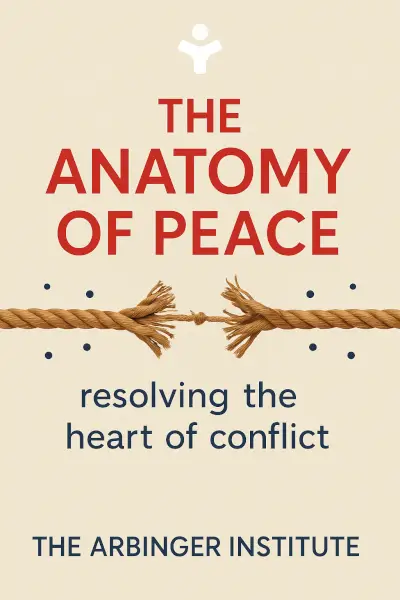
The Anatomy of Peace: Resolving the Heart of Conflict
Ready to Take Action?
Get the Mentorist app and turn insights like these into daily habits.