Strategic Optimism: How Deliberate Hope Counters Pessimism in Conflict
For decades, Herbert Kelman navigated the most difficult tables anyone could imagine—Israeli and Palestinian representatives brought together in private workshops at Harvard or nondescript conference rooms. Each time, the room began with tension so thick it almost vibrated; at least once, someone would mutter, 'Nothing will ever change.'
Kelman persisted. He was no fool—he’d lived through war, exile, and endless setbacks. But he quietly kept watch for moments when someone offered a new idea, or nodded instead of shaking their head. He called this 'strategic optimism'—a skill, not a personality trait. At one low point, he privately doubted his own approach, until a leader from one side scolded him: 'We can give up hope. Not you!'
This wasn’t naïve cheerleading. Kelman kept his eyes open to setbacks and disappointments, but he chose to actively seek out and highlight every realistic sign of progress. Over years, he noticed these tiny cracks in the wall could grow. More often than not, his simple acknowledgement of a positive step—no matter how small—became contagious among participants. Science now tells us that self-fulfilling prophecies aren’t just negative; deliberate, realistic hope can create space for new actions and a feedback loop of rising possibility.
Sometimes, only the optimist in the room has the privilege—and the responsibility—to model a mindset that others can trust in, if only so everyone else can keep going. Strategic optimism, in Kelman’s hands, was never wishful thinking—it was tactical, persistent, and deeply embedded in his daily interactions.
In your own life, actively look for even the faintest signals that a conflict or challenging situation is shifting for the better, no matter how slow. Note these to yourself or out loud to your team or family. When brainstorming solutions, try framing just one scenario as if something small could trigger a bigger change—this isn’t magical thinking, but disciplined hope. And when you speak optimistically, ground your comments in specifics, making clear it’s a strategic act to open possibility, not to ignore setbacks. Be the person others can borrow hope from; sometimes optimism is the most pragmatic form of leadership.
What You'll Achieve
Increased emotional stamina and resilience in the face of setbacks, improved group morale, and the habit of creating new openings even in highly pessimistic environments.
Adopt a Mindset That Seeks Out Possibility Despite Challenges
Track moments of improvement, however small.
Each day, make note of tiny positive signals in ongoing conflicts or tough relationships, rather than just tallying setbacks.
Test 'what if this worked' thinking.
For each tough problem, brainstorm one scenario where a small, constructive step could lead to a better outcome.
Share optimism explicitly—don’t fake it.
Communicate your belief in change as a conscious, strategic act, not naïve denial. Make sure your hope is grounded in realistic evidence or plausible plans.
Reflection Questions
- Where am I most tempted to give up hope, and why?
- How do I distinguish between naïve and strategic optimism?
- When have small signs of progress changed the mood in my group?
Personalization Tips
- After weeks of tension at home, you highlight to your family when a conversation ends on a kinder note, saying, 'That was better than last time.'
- A sports team on a losing streak sets a new goal: looking for one sign of teamwork in every game, and acknowledging it, regardless of the result.
- In climate activism, leaders spotlight small legislative wins to keep volunteers engaged for the long haul.
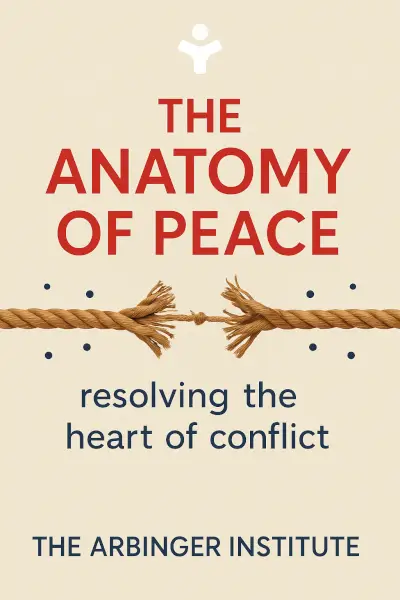
The Anatomy of Peace: Resolving the Heart of Conflict
Ready to Take Action?
Get the Mentorist app and turn insights like these into daily habits.