Transform Fear into Flow with Present-Moment Power
You’re hunched over your laptop, the cursor blinking like a metronome on an unfinished report. Your shoulders are so tight a pin could stick in them. In that tangle, there’s a tiny invitation for change—your breath. Notice it again, low in your belly, cool on the inhale, warm on the exhale.
As you breathe in, feel the weight of worry creeping in. Maybe there’s a memory of missing a deadline or not measuring up. That’s just your mind playing an old track. Exhale and silently say, “I let go.” You can almost hear a groan in your muscles as they unwind.
On your next breath, say, “I welcome what’s next.” It might be the confidence to ask for feedback or the patience to tackle the next task step by step. You feel a little more space to breathe, a little more room to move forward.
Neuroscience research on interoceptive awareness shows that tuning into your breath and body sensations engages the vagus nerve, down-regulating the stress response. That simple loop of inhale, scan, release, and affirmation shifts you from fight-or-flight to calm engagement.
Whenever tension or worry builds, pause and breathe three slow, focused breaths. Scan your body for tight spots, then on the exhale, imagine stress flowing out as you say “I let go.” Finish by affirming “I welcome new possibilities.” This tiny pause will guide you back into flow and calm, so try it before your next break.
What You'll Achieve
You’ll replace chronic anxiety with calm focus, improving your emotional regulation, decision-making, and overall sense of ease.
Practice letting go with breath
Find a quiet moment
Pause wherever you are—sitting at your desk or waiting for a friend—and take three slow, deliberate breaths, focusing solely on the inhale and exhale.
Scan for tension
After your breaths, mentally scan from scalp to toes. Notice where you hold tightness, as this often signals fear or old worry.
Release on exhale
Imagine tension flowing out with each breath. Silently say, “I let go,” as you exhale, and feel muscles soften.
Affirm freedom
Once relaxed, affirm to yourself, “I trust this moment and welcome new possibilities.” This rewires your mind away from fear patterns.
Reflection Questions
- What part of your body holds stress most often?
- How did tension change after your release breath?
- Where could you weave this practice into your daily routine?
Personalization Tips
- A student facing exam anxiety can pause in the hallway, breathe deeply, and let go of cringe-worthy past mistakes.
- A parent can use this before a challenging conversation with their child, releasing old layers of judgment.
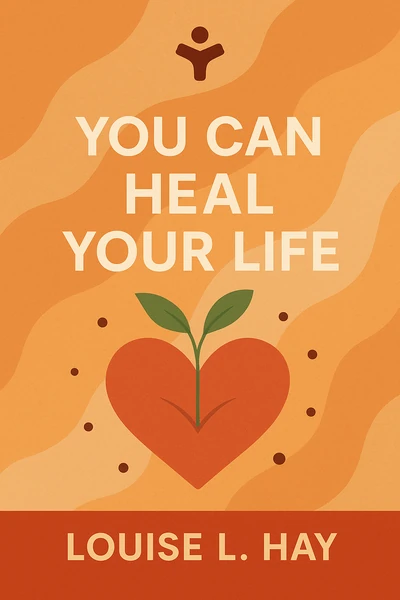
You Can Heal Your Life
Ready to Take Action?
Get the Mentorist app and turn insights like these into daily habits.