How to Relax When Everything Falls Apart
You’re about to walk into your office when your phone vibrates. The email reads: “Project canceled indefinitely.” Your heart lurches, and all the air in the corridor seems to thicken. You want to bolt back home, close the curtains, make everything familiar again. Yet you decide to pause, briefly recognizing how your whole body tenses and the urge to flee feels almost electric.
You press your feet into the carpet tiles and rest your hands lightly on your desk edge. You close your eyes for a moment, noticing a faint hum from the fluorescent lights above and recalling the warm glow of the sun you saw through the window earlier. You name the sensation— ‘numb panic’—without hesitation. It’s just information, you realize, not a permanent verdict.
You think of a huge ocean, waves rising and falling without complaint, water endlessly cycling. Your crisis is one wave in that grand expanse. The walls of your cubicle no longer feel like a trap; instead, they dissolve into a broader space of possibility. For a fleeting instant, you catch a glimpse of your mind’s vast horizon.
Research in neuroscience shows that anchoring your attention on physical sensations—also called “grounding”—activates areas of the brain associated with stability and self-regulation. That simple shift from panic to expanded awareness lets you meet uncertainty with courage.
You open your eyes, feeling steadier. Tomorrow you’ll draft a new plan; today you remain curious about what unfolds next. That’s the front line of real resilience.
When your sense of control fractures, pause and notice the urge to escape. Name the feeling—’chaos,’ ‘fear of failure,’ or whatever fits—then anchor in your body by pressing your feet into the ground and resting your hands on your lap. Visualize the vast sky or a calm ocean wave to broaden your view before next steps. This small pause in the midst of upheaval helps you relax into the uncertainty and meet your challenges with fresh perspective. Try it today when stress hits.
What You'll Achieve
You will cultivate steadiness amid crisis by anchoring in present-moment awareness, reducing impulsive escapes and improving clarity when reevaluating plans. Externally, you’ll handle setbacks with poise and craft more thoughtful solutions.
Stay with the shake
Notice the pull to flee.
When your world feels unsteady—lost job, broken plan—catch the instinct to run or distract yourself before you act.
Name your uncertainty.
Label what’s happening—’confusion,’ ’loss of control,’ or ’grief.’ Recording it on paper or aloud brings perspective.
Anchor in your body.
Place both feet flat on the floor, rest your hands open on your lap, and feel steady points of contact, dissolving the urge to escape.
Allow vastness in.
Visualize the room, the sky outside, or the whole planet. That broad perspective reminds you this moment is one drop in a larger tide.
Reflection Questions
- When have you fled a difficult situation without pausing? What might have changed if you’d slowed down?
- Which physical anchor point can you use next time upheaval hits?
- How does imagining a larger perspective shift your emotional intensity?
Personalization Tips
- When your relationship ends, pause before deleting old messages and notice that surge of panic.
- After missing a critical deadline at work, feel the pull to binge-watch TV, then instead anchor in your posture.
- Facing a family crisis, resist jumping to blame; take a moment to name the chaos and imagine the wider world.
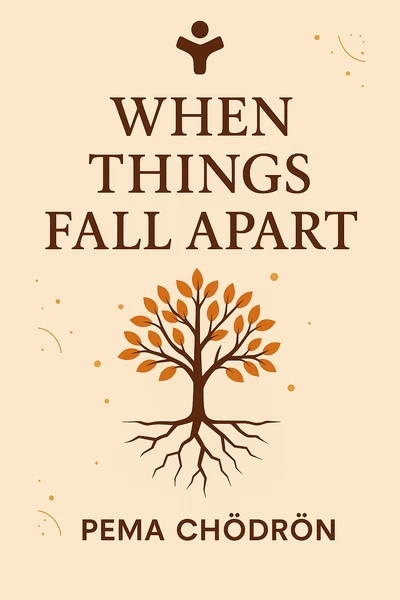
When Things Fall Apart: Heart Advice for Difficult Times
Ready to Take Action?
Get the Mentorist app and turn insights like these into daily habits.