Trust Your Primitive Brain to Read Comfort and Danger
Paul MacLean’s triune brain model was more than academic jargon—it explained why our ancestors survived and why you might freeze at the sight of a looming deadline. Deep in our skulls lies the limbic brain, the emotional engine that reacts to threat or comfort without any conscious thought. When a caveman heard rustling in the bushes he froze; if the danger drew closer he fled or, as a last resort, fought. These same patterns still run in humans. Your brain still hijacks your breathing before a tough conversation or makes your fists clench in anger.
Scientists have confirmed that these limbic reactions are genuine and hardwired. A startle response or rapid heartbeat can’t be faked—our ancestors depended on these reflexes for survival. Modern research shows that once we map our own freeze, flight, and fight signals—and our post-stress pacifiers—we can apply those insights to others. This mapping gives us a shared language. If you know you cross your arms under stress, you’ll know to ask gentle questions when you spot that gesture in a friend or colleague.
Recognizing the biological basis for comfort versus discomfort transforms how we read people. Instead of guessing, we rely on behaviors rooted in millions of years of evolution, a scientific shortcut to truth. By learning the limbic code, you’ll know when to push, retreat, or pause, in any personal or professional setting. That’s real nonverbal intelligence.
You’ll begin by mapping your own freeze, flight, fight, and pacifying reactions, like noting how your breathing changes when under stress. Next, label each physical cue—whether it’s crossing your arms, flaring your nostrils, or rubbing your neck—and commit them to memory. Finally, apply this same cheat sheet when observing friends, coworkers, or family, so you can instantly translate their limbic signals into actionable insights.
What You'll Achieve
Internally, you’ll cultivate self-awareness of stress responses, giving you greater emotional control. Externally, you’ll predict people’s reactions, enabling you to navigate tense conversations and negotiations more effectively.
Map Your Limbic Reactions
Identify your freeze cues
Reflect on what you do first when startled—do you freeze, widen your eyes, or hold your breath? Jot down these automatic reactions so you know what to look for in others.
Chart your flight signs
Notice how you physically distance when uncomfortable—do you lean back, cross your arms, or shift your feet? Record these behaviors as personal indicators of discomfort.
Recognize your fight responses
Think of times you’ve felt cornered—did you raise your hands, flare your nostrils, or square your shoulders? Document these aggressive cues, then watch for them in tense conversations.
Track post-stress pacifiers
After a stressful meeting, note how you calm yourself—chewing gum, wiping your face, tugging your collar. These soothing gestures will show you the hidden stress points in others.
Reflection Questions
- Which limbic reaction do you notice most often in high-stress situations?
- How might identifying your pacifiers help you manage your own anxiety at work?
- What discomfort cue will you watch for in your next important meeting?
- How does knowing your fight-or-flight signals change how you greet conflict?
- Which colleagues or family members would benefit from your understanding of their limbic displays?
Personalization Tips
- At family dinners, notice when your heart races and you freeze—perhaps when tough topics arise.
- During a performance review, chart your own urge to lean back or cross arms when feedback stings.
- Before public speaking, observe your fight-or-flight signs so you can spot them in anxious colleagues.
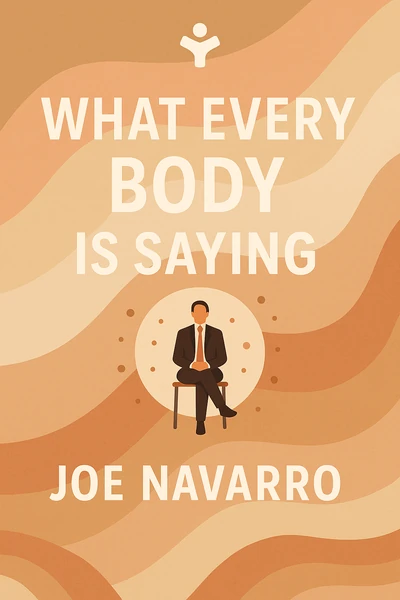
What Every Body is Saying: An Ex-FBI Agent's Guide to Speed-Reading People
Ready to Take Action?
Get the Mentorist app and turn insights like these into daily habits.