The Simple Skill That Unlocks Body Language
When Sophia first learned about body language, she imagined spies in dark suits reading each other like open books. In reality, mastering nonverbal cues was simpler—and more practical. On her way to a coffee shop, she decided to try a quick experiment: she stopped staring at her phone and instead glanced around. She noticed a man tapping his foot anxiously, a mother’s hand stroking her daughter’s arm, and an elderly couple smiling with feet turned toward each other. Each tiny gesture conveyed a mini-story about what was happening.
Back at her table, Sophia reflected on how often she’d been oblivious to these silent broadcasts. She realized that by deliberately pausing and observing, she could collect powerful clues about how people felt and what they wanted—information that could transform her daily interactions. No expensive gadget or spy training required. Just a commitment to see what was right in front of her.
As she sipped her coffee, Sophia sensed that learning to observe body language was like adding a new sense—one that let her tune into the unspoken currents of human behavior. Scientists call this situational awareness, a vital skill that can prevent misunderstandings and deepen connections. With practice, Sophia knew she’d stop being surprised by sudden confrontations, guess accurately when friends were in trouble, and even negotiate more effectively. All by simply looking beyond words.
You’ll sharpen your observational radar by quietly removing all digital distractions, then tuning into the full sensory experience around you. Next, carve out five minutes each day—perhaps while waiting in line or sipping coffee—to purposefully notice one nonverbal clue per person. Over time, these small practice sessions will strengthen your ability to instantly read what every body is silently saying, so you won’t be caught off guard again.
What You'll Achieve
You’ll build sharper situational awareness (internal), drastically reduce being blindsided in social and work settings, and make faster, more accurate judgments about people’s intentions (external).
Practice Spotting Silent Cues
Eliminate digital distractions
Mute your phone and close your laptop during conversations so you can fully observe body language. When you’re not scrambling for notifications, you’ll notice subtle gestures you otherwise miss.
Use all your senses
Before speaking, pause and take in smells, sounds, and sights. If a quick whiff of smoke or an overheard tone bothers you, your limbic system has just sent an urgent message—pay attention.
Build observation sessions
Once a day, spend five minutes watching people in a café or park. Mentally note one detail per person—their foot position, arm movement, or facial expression—to strengthen your observation “muscle.”
Reflection Questions
- What everyday situation could you turn into a daily observation exercise?
- When was the last time you felt surprised by someone’s reaction? How might careful observation have helped?
- Which of your senses do you neglect that could give you extra nonverbal clues?
- What small change can you make today to focus more on people’s gestures than your phone?
- How will improving your observation skills lower your stress in meetings and personal interactions?
Personalization Tips
- At work, silently observe a colleague’s feet for signs they’re eager to leave a meeting.
- In class, notice which students lean forward in their seats when a topic excites them.
- While waiting for a train, watch how people shift their toes toward friends at first sight.
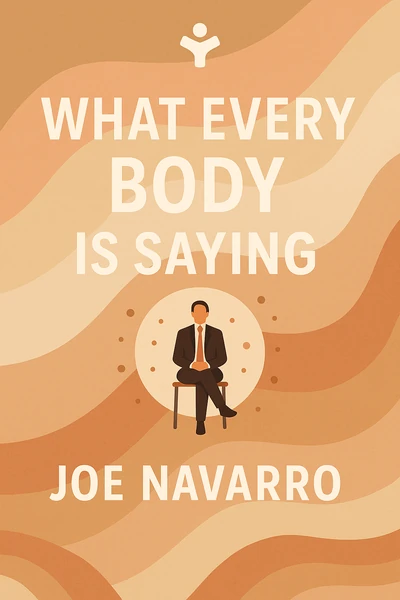
What Every Body is Saying: An Ex-FBI Agent's Guide to Speed-Reading People
Ready to Take Action?
Get the Mentorist app and turn insights like these into daily habits.