Update your brain’s rewards by asking one question in the heat of habit
A product manager kept a stash of chocolate in her top drawer. Every afternoon around 3:10, she’d unwrap two squares and call it fuel. By 4:30, she was foggy, annoyed with herself, and still behind on the slide deck. When she finally paused mid-unwrap and asked, “What do I get from this?” she noticed the sweetness hit, a little sigh, and then a heavy, sleepy feeling behind her eyes. She wrote it down. The next day, she asked again and reached the same answer in less than a minute.
At a clinic, a small team tested this question across different habits. Smokers used it at the first thought of a cigarette, not after. Worry-prone folks used it when they felt the first tug to catastrophize. Over ten to fifteen repetitions, the reward ratings dropped. One person said, “I still want it, but it already tastes a little like cardboard.” Another said, “Worry used to feel productive. Now it feels like pretending to work.”
There was a hiccup. A senior engineer tried to think his way out of cravings, debating pro and con like he was in a meeting. It backfired. When he switched to sensing—the tight jaw, the shallow breath, the post-snack sludge—the learning clicked. I might be wrong, but the body tells the truth faster than a spreadsheet can.
This is how the reward system updates. Your orbitofrontal cortex stores composite values for behaviors. If outcomes change and you keep paying attention, prediction errors fire, and the value reshuffles. The question isn’t magic, it’s a key that forces contact with reality. With ten to fifteen clean reps, the old habit slides down the list without a fight.
The next time a craving or worry rises, catch it early and silently ask, “What do I get from this?” Don’t analyze, sense. Track your body and mood as if you’re tasting something for the first time, then write one true line about the result. Repeat this across urges for a week so your brain gets consistent, up-to-date data and the reward value drops on its own. If you catch yourself debating instead of sensing, smile, then return to your jaw, breath, and energy levels. Treat it like a small experiment you can run today.
What You'll Achieve
Internally, switch from autopilot to embodied learning and develop healthy skepticism toward false rewards. Externally, see measurable drops in cravings, worry time, and unplanned snacking or scrolling within days.
Use the reward-reset question mid-urge
Catch the cue quickly
Notice the first seconds of a craving or worry—tight chest, restless hands, the urge to click.
Ask, “What do I get from this?”
Say it silently and look for the real result, not the fantasy. Scan body sensations and mood 30–60 seconds after the behavior usually happens.
Write the truth once
Jot a one-line answer in your notes: “Two minutes of numbness, then guilt,” or “I’m still behind and more tense.”
Repeat across 10–15 reps
Use the same question each time the urge appears over the next days. Consistency drops the reward value fast.
Reflection Questions
- When I ask the reward question, what body signals show up first?
- How does the third repetition feel different from the first?
- Where can I capture one-line truths so I see progress?
- Which habit deserves ten repetitions this week?
Personalization Tips
- Health: Mid-binge, you taste carefully and realize the third cookie is already less pleasant and leaves you foggy.
- Work: Mid-scroll, you feel your jaw clench and time evaporate, then note, “I feel more behind.”
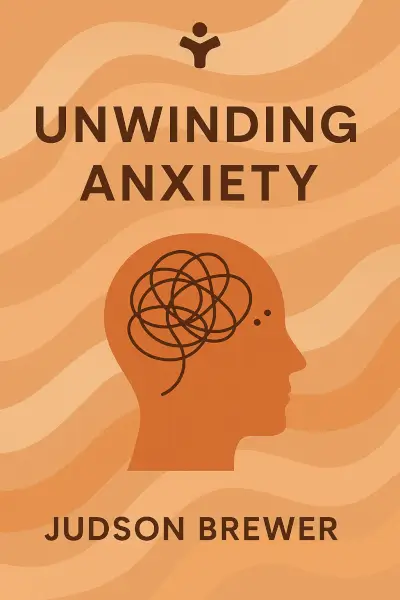
Unwinding Anxiety: New Science Shows How to Break the Cycles of Worry and Fear to Heal Your Min
Ready to Take Action?
Get the Mentorist app and turn insights like these into daily habits.