Anger Masks Deeper Pain—Use AHEN to Decode Yours
You’re home from a brutal day at work when your roommate leaves dishes piled high again. You explode—yelling about laziness. Your heart pounds and your vision narrows. Later, you feel ashamed and puzzled: why did you erupt over a few plates? Practicing the AHEN model, you pause. First: “Yes, I was hurt.” You realize you felt unappreciated and alone that day. Next: “Expectations not met.” You’d assumed roommates would clean common areas by evening. Finally, “Needs not met.” You needed respect for your personal space and a sense of partnership.
You take a breath and text your roommate: “I felt stressed today and needed my space. Next time can we agree on a dish-clean routine?” Instead of a guilt-ridden apology, you shared the real hurt behind your anger. She replies she’ll chip in and you both set a simple schedule.
Neuroscience shows anger triggers the amygdala’s fight signals. When we decode its AHEN roots—Hurt, Expectations, Needs—we pull our thinking brain back online and communicate effectively. Over time, anger stops masking pain and becomes a pathway to understanding instead of conflict.
The next time you feel anger surge, pause and tell yourself you’re upset. Then ask if you’re hurt—maybe feeling dismissed or unsafe. List the expectations you held that fell short, and identify which personal need wasn’t met, whether it’s respect or support. Use these answers to craft a focused, honest statement to the other person instead of blaming. Practice this four-question check and watch frustration turn into clarity.
What You'll Achieve
You’ll transform impulsive outbursts into clear communication, resolving conflicts without lingering resentment. Others will know your real needs, strengthening trust and cooperation.
Unpack Your Anger with Four Questions
Name the anger
When you feel rage, say to yourself, “I’m angry.” This simple naming shifts you from autopilot to observer.
Ask if you’re hurt
Check beneath the anger: do you feel unsafe, disrespected, or belittled? Feelings of vulnerability often hide there.
Spot unmet expectations
List what you assumed would happen—professional respect, courteous treatment—then see where reality diverged.
Find missing needs
Identify what you truly needed in that moment—support, safety or validation—and consider how else you might meet it.
Reflection Questions
- When was the last time you felt unjustified anger?
- What underlying hurt can you name now?
- Which expectation did you hold onto?
- What need went unmet?
- How can you express that need calmly next time?
Personalization Tips
- After you slam a door in fury, ask: was I hurt because I felt unheard in that argument?
- When road rage sets in, check: did I expect other drivers to share my courtesy standards?
- If you snap at your child, notice: am I missing my need for calm after a draining workday?
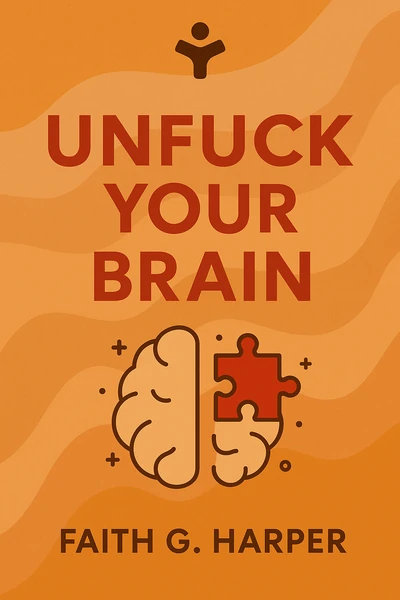
Unfuck Your Brain: Using Science to Get Over Anxiety, Depression, Anger, Freak-Outs, and Triggers
Ready to Take Action?
Get the Mentorist app and turn insights like these into daily habits.