Turn Anxiety into Opportunity with Learned Optimism
Michael faced his first big pitch as a project manager. He rehearsed endlessly but still felt that familiar pit in his stomach: “They’ll see I’m inexperienced and tank the whole deal.” His hands shook when he pressed ‘join’ on the video call. Instead of spiraling, he pulled up his notes and listed four successes he’d delivered—on time and under budget—earlier that quarter. He then reframed his fear as, “I’ve led similar projects to success; I can address their concerns.”
With that new mindset, he pressed mute, inhaled slowly, and hit unmute again. The opening lines came smoothly, and when a tough question landed, he held his ground by referencing his past wins. After the call ended, his boss told him it was one of the strongest presentations she’d seen from a newcomer.
This shift follows Martin Seligman’s learned optimism model: we dispute negative beliefs with evidence and replace them with realistic alternatives. Brain chemistry backs it up—challenging pessimistic automatic thoughts dampens the amygdala’s overdrive and lights up neural pathways tied to confidence. For Michael, that meant turning a panic-fueled script into a performance he controlled.
When panic creeps up, list your darkest fear about the situation, then counter it with hard evidence of past wins—reports, feedback or even pep talks from colleagues. Finally, rewrite that fear into a balanced, positive statement you can repeat before (and during) the moment of truth. Practice this one-two punch next time you feel your heart racing before a big challenge. You might be surprised how your amygdala calms down.
What You'll Achieve
Internally, you’ll build the habit of spotting and disputing self-defeating thoughts, boosting confidence. Externally, you’ll deliver clearer presentations, make stronger decisions, and feel more composed under pressure.
Debunk One Negative Belief Now
Recall a recent worry
Think of something that made your heart race—maybe a test, a deadline or a tough conversation.
Write the worst-case story
Jot down your belief: “I’ll fail,” “They’ll reject me,” etc. Be brutally honest.
Challenge that belief
List evidence that contradicts it—past successes, support you’ve received, skills you’ve honed.
Frame a realistic alternative
Rewrite your belief into an optimistic statement, like “I’ve studied hard and can handle questions.”
Reflection Questions
- What’s the most persistent pessimistic thought you hold at work?
- What evidence exists that disproves it?
- How will you craft a balanced alternative belief?
- When could you use this reframing today?
- What change might you see if you practice this weekly?
Personalization Tips
- Before a job interview, list why you’re qualified rather than imagining you’ll stumble over every answer.
- Facing a medical appointment? Recall times you handled health news well instead of fearing the worst.
- When meeting new neighbors, remind yourself of times you made friends easily instead of dreading rejection.
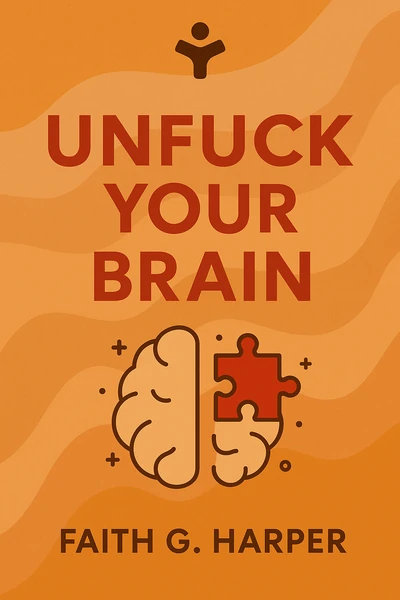
Unfuck Your Brain: Using Science to Get Over Anxiety, Depression, Anger, Freak-Outs, and Triggers
Ready to Take Action?
Get the Mentorist app and turn insights like these into daily habits.