Why Treating Symptoms Isn’t Enough to Heal Trauma
Early in my practice, I met clients glued to treating depression only with medication. Their mood would lift briefly but soon dip again. It reminded me of treating a rash without asking what caused it. One woman named Maria came in after months of meds and still could barely leave her house. We began mapping her panic to weekend errands, then to memories of running errands with a father who never returned. For the first time, she saw the pattern was more than bad days—it was a recurring wound.
As she traced each spike of anxiety back to that first ache of abandonment, tears welled up and relief followed. Naming the root gave her a target for therapy’s focus. She didn’t just cover symptoms, she addressed the core grief. Over the next weeks, she reclaimed errands slowly—first driving to the park, then to the grocery store. The amygdala’s hijack alarm still buzzed occasionally, but she now had a map and a plan.
Trauma science tells us that we can’t just erase symptoms. Memories and neural pathways must be rewired through purposeful processing. By treating the cause—like Maria did—clients move from temporary relief to lasting recovery. It’s not magic, it’s how our brains heal.
Next time you feel stuck in anxiety, anger or despair, pause and chart the moment you first noticed it. Ask ‘Why now?’ and jot down every event or thought that led there—even a throwaway comment or small memory. Keep tracing back until you reach the earliest wound or stressor. Then pick one focused action—like sharing that insight with a friend or writing it down—to address the root. That shift from chasing symptoms to healing causes is where true change begins.
What You'll Achieve
You’ll develop insight into how past wounds shape current struggles, empowering you to address root causes rather than just masking symptoms. Externally, you’ll break recurring patterns and build a sustainable path to recovery.
Trace Each Feeling Back to Its Source
Catch a symptom
When anxiety, anger or depression spikes, pause and note the exact feeling and body sensations.
Ask “Why now?”
List recent events, conversations or memories before the spike. Write every trigger, no matter how small.
Identify the root cause
Trace your list back to the first wound or repeated stressor—childhood bullying, grief or chronic disrespect.
Plan your next step
Decide on a focused action—talk to a friend, journal, or seek professional help—to address the root cause, not just the symptom.
Reflection Questions
- What symptom dominates your life right now?
- Which recent event made that symptom flare?
- Can you trace that event to an earlier experience?
- What is one step you can take today to heal at the source?
- How will you know you’re moving from symptom relief to real recovery?
Personalization Tips
- After a panic attack at work, map out the emails or deadlines that fed your fear instead of just popping a pill.
- When you lash out at your partner, list all unspoken hurts leading up to it and share one insight instead of saying sorry.
- If you binge-eat after a setback, trace it back to feeling unheard since childhood and write a forgiving letter to your younger self.
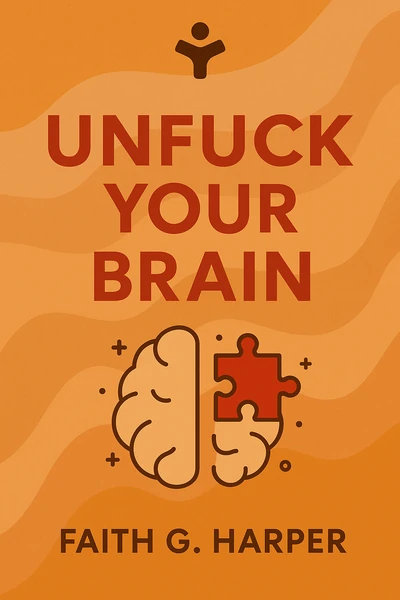
Unfuck Your Brain: Using Science to Get Over Anxiety, Depression, Anger, Freak-Outs, and Triggers
Ready to Take Action?
Get the Mentorist app and turn insights like these into daily habits.