Why Defining Your Risk Is Nonnegotiable for Traders
You wouldn’t skateboard off a cliff just to see if you can fly—and yet daily, traders do precisely that by entering positions without a stop order in place. Picture yourself on the edge of uncertainty: no defined risk means every passing second, as price drills against you, adds emotional weight that narrows your mind and triggers panic.
By contrast, when you predefine your risk, it’s like securing a safety harness before you climb. You know the exact price point that says “this experiment is over.” That clarity creates a mental buffer: instead of fear skyrocketing, you feel a calm acceptance that “my downside is already settled.”
Behavioral science calls this commitment device: you bind your future self to a decision you made when cool and rational. Neuroimaging shows that binding stops lower the amygdala’s threat responses, keeping your rational cortex in the driver’s seat. Under stress, you won’t hesitate, rationalize or hope for a miraculous turnaround.
Next time you see a signal flash on your screen, pause and write down your absolute dollar limit on paper—this is your lifeline. Then convert that into a concrete stop price and set it in your platform before you click buy or sell. That two-minute ritual transforms your trading from reckless risk-taking into methodical opportunity harvesting.
First, treat stops like air traffic control: write down your exact dollar exposure for each trade. Next, calculate the precise price that equates to that exposure, plot it on your chart, then place a protective order. By automating the stop, you remove hesitation when stakes get high. Give yourself those two minutes—they’re the difference between a nervous gamble and a clear-eyed investment in your edge.
What You'll Achieve
You will eliminate hesitation and emotional paralysis in losing trades, calmly enforcing exits and preserving capital for the next opportunity.
Lock In Risk Levels Every Trade
Predefine your dollar risk
Before typing your order ticket, decide the maximum you’ll lose on this trade and write it down—no second-guessing allowed.
Translate risk into price
Convert your dollar limit into a precise stop-loss price or spread on your chart. Plot it clearly before entry.
Automate the stop
Always use your platform’s stop-order function rather than leaving risk in manual hands to prevent hesitation under stress.
Reflection Questions
- What stops me from placing a stop-loss every time?
- How have I justified skipping my risk-definition ritual?
- What two-minute routine can guarantee I never forget my stop?
- How will my confidence change after a week of consistent stop setting?
- Who can hold me accountable to this practice?
Personalization Tips
- A freelance writer sets an absolute loss limit on hourly billings before accepting a risky project.
- A marathoner defines a maximum heart rate before trying a new pace and stops if it crosses that threshold.
- A project manager commits in writing to a maximum hours-overhead before green-lighting a scope change.
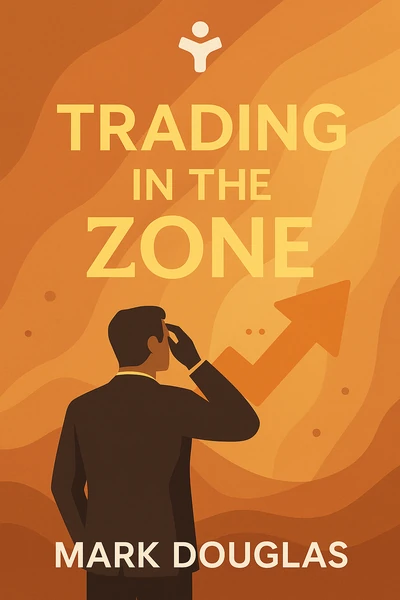
Trading in the Zone: Master the Market with Confidence, Discipline, and a Winning Attitude
Ready to Take Action?
Get the Mentorist app and turn insights like these into daily habits.