How to turn self-doubt into your secret superpower
Olivia joined a startup as the eleventh employee and was handed the marketing lead with little direction. On day one, her confidence was rock-bottom—she questioned every campaign idea and convinced herself she’d be fired before month’s end. She started documenting small wins: a social post that drove five new leads, a presentation praised by a mentor, an unexpected mention in industry media. Two weeks in, the founder called her into his office. Initially, she thought it might be bad news. Instead, he praised her progress, noting how quickly she’d identified high-potential channels. Olivia realized the evidence she’d collected proved her abilities—data she could point to when self-doubt whispered otherwise. Later, when the team unveiled a new product feature, Olivia hesitated to suggest a launch strategy because she feared being wrong again. Remembering her “win log,” she asked herself, “What’s the evidence this idea could work?” Reviewing last quarter’s metrics reminded her she’d driven similar growth before. She pitched her plan, and it became the company’s top-performing campaign that quarter. Cognitive science shows that evaluating evidence—rather than relying on gut fears—creates more accurate forecasts of success. By systematically gathering proof of your past wins and testing predictions against data, you turn hesitation into objective insight and self-doubt into a strategic tool.
At the start of each week, carve out ten minutes to jot down your most meaningful wins—and your smartest lessons from failures. When you feel fear creeping in, compare both lists side by side. Notice how past successes outweigh your worries and let the data guide your next move.
What You'll Achieve
You’ll develop an evidence-based confidence, make clearer decisions under pressure, and transform self-doubt into thoughtful analysis that boosts your performance.
Gather proof of your wins
List past successes and failures
Spend ten minutes writing down three times you exceeded expectations and three times you learned from a setback. Include specifics like dates and outcomes.
Test your gut predictions
When you doubt yourself, pause and ask “What’s the evidence this will fail?” and “What’s the evidence it could succeed?” Write both sides briefly.
Set micro-goals with a review
Break a big project into daily tasks. At day’s end, mark “done,” “learned,” or “revise,” and note what went well. This builds confidence in your decision-making.
Reflection Questions
- What past success do you underplay that deserves a place on your win log?
- How might reframing predictions based on real evidence change your next decision?
- Which small micro-goal can you review tonight to build tomorrow’s confidence?
Personalization Tips
- At work, compare your saved client accounts month-over-month to see your real impact.
- When learning a skill, track your progress in a journal instead of only seeing your struggles.
- Before negotiating, list the facts showing why you deserve that raise rather than focusing on fears.
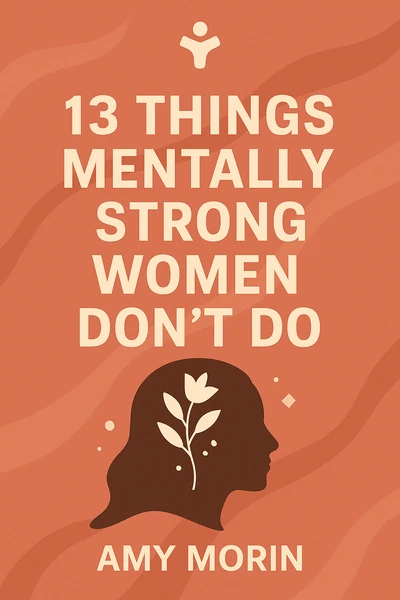
13 Things Mentally Strong Women Don't Do: Own Your Power, Channel Your Confidence, and Find Your Authentic Voice for a Life of Meaning and Joy
Ready to Take Action?
Get the Mentorist app and turn insights like these into daily habits.