Stop Dwelling on Yesterday to Enjoy Today
Grief and regret can trap us in an endless loop of ‘what ifs.’ Neuroscience tells us that our brain’s default network lights up when we ruminate, making it harder to notice the present. But we can retrain our minds with simple mindfulness anchors. Lie back in your chair and focus on the rise and fall of your chest for ten seconds. Notice the fabric of your shirt against your skin, the hum of the air conditioner, the gentle weight of your hands in your lap. Even brief sensory checks can rewire your brain’s pathways away from rumination toward grounded awareness. Emma learned this after losing her father. Each night she felt overwhelmed by memories—his voice, his laughter, the “if only” regrets. She began a nightly ritual: she wrote one thing about her day she was proud of, crumpled the paper, and tossed it in a small basket. Over time, she found that her mind offered fewer intrusive images and more bright spots of her day. Research in clinical psychology shows that pairing sensory cues with present-moment phrases reduces activity in the brain’s default mode network, easing depressive spirals. You don’t need hours of practice—just a few mindful check-ins to reclaim each day.
Right now, pause and say “I’m here now” as you press both feet into the floor. Notice its firmness, the carpet beneath, or the chill of tile. Tonight, write down one new memory you want to make, crumple the note, and literally let it go. Try it at least once today.
What You'll Achieve
You’ll break free from heavy rumination and access calmer, clearer thinking. You’ll feel more present, less anxious, and notice small joys—improving mood and focus.“
Anchor Yourself in the Present
Create a sensory grounder
Pick a phrase like “I’m here now” and pair it with feeling your feet on the floor, noticing its texture—hard, soft, warm.
Schedule a daily check-in
Set an alarm for mid-day. When it rings, pause and name three things you see, hear, or smell around you.
Write a past-release note
Each night, jot down one regret or “if only…,” then crumple the paper and toss it—symbolically letting go.
Commit to one new memory
Before bed, plan one small activity you’ll remember tomorrow—listening to a song, calling a friend—and treat it like an appointment.
Reflection Questions
- What sensory detail is most vivid in your current environment?
- Which regret do you replay most, and how can you let it go tonight?
- What small moment can you plan for tomorrow to anchor you in the now?
Personalization Tips
- If you catch yourself replaying a painful argument, stop and list three colors you see in your room instead.
- When you wake in the morning, savor the scent of your coffee and the warmth of your blanket before your mind races.
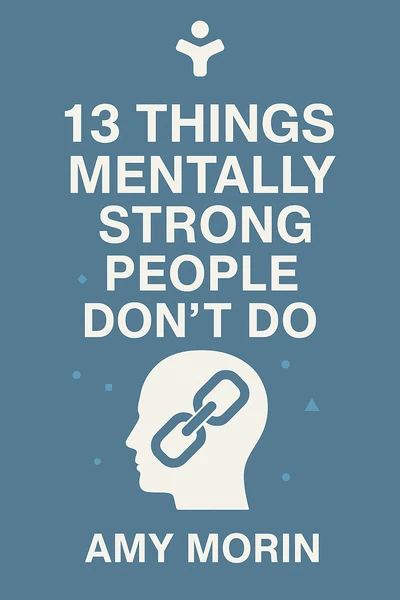
13 Things Mentally Strong People Don't Do: Take Back Your Power, Embrace Change, Face Your Fears, and Train Your Brain for Happiness and Success
Ready to Take Action?
Get the Mentorist app and turn insights like these into daily habits.