Turning Risk Into Opportunity with a Simple Checklist
Risk is often painted as a blind leap into the unknown, but behavioral economics shows you can actually calculate it. The first step is defining outcomes: best-case, worst-case, and most likely. For example, if you consider leaving your job to freelance, list the gains (flexibility, higher rates) and losses (lost benefits, unpredictable income). Next, assign rough probabilities. Perhaps there’s a 60% chance you’ll replace your salary within a year, a 30% chance you’ll make 75%, and a 10% chance you’ll underperform. Behavioral scientists call this “expected value”—weighing payoff times probability for each scenario. Then, ask yourself: Are you willing to bear the potential loss? If you lack savings, the 10% low-income scenario could cripple you. But if you build a cushion first, you lower your personal risk. Add safeguards—like keeping benefits until you hit a revenue milestone. Finally, compare: (60% × gain) minus (10% × loss). If the net “risk-reward” is positive and the safeguards feel sensible, that’s a calculated risk worth embracing. This method reduces fear by making uncertainty measurable—and gives you a clear roadmap to prepare.
Tonight, pick one risk you’ve been putting off. Define the worst-case outcome, jot down three ways you can prevent or soften it, and estimate your success odds. Do the math: multiply each outcome’s value by its probability. If the reward outweighs the loss, outline your first preparation step and go for it.
What You'll Achieve
You’ll replace paralyzing fear with clear, actionable plans, boosting your confidence and reducing indecision. Externally, you’ll undertake bolder projects with a safety net, improving long-term results.
Risk-Proof Your Decisions
Spot the worst-case scenario
Write down the single worst thing that could happen if you take the risk—job loss, financial hit, embarrassment.
Brainstorm risk reducers
List three ways you can lower that worst outcome—saving emergency funds, practicing your pitch, tracking progress.
Estimate your chance of success
Write a realistic percentage chance you’ll achieve a good outcome. If it’s below 30%, plan more preparation.
Compare cost, benefit, probability
Multiply your success chance by the gain you’ll get, and compare it to the risk multiplied by loss. If the benefit score is higher, it’s worth trying.
Reflection Questions
- What risk have you avoided because you feared the worst?
- How can you break that worst-case into manageable safeguards?
- What would a 50% probability of success feel like—enough to try?
Personalization Tips
- Before negotiating a raise, plan three data points to support your case, rehearse, and save one month’s expenses.
- Thinking of launching a side hustle? Research five competitors, validate demand with a quick poll, and set a small budget first.
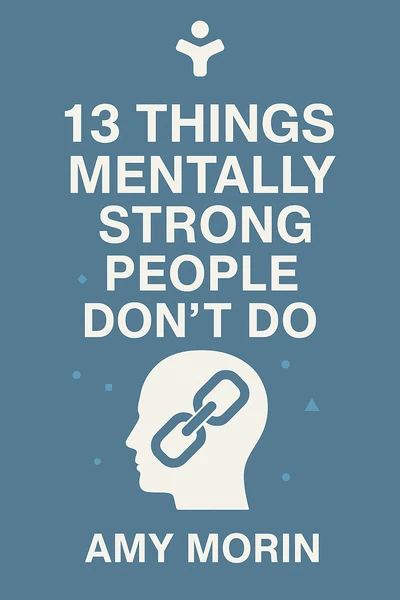
13 Things Mentally Strong People Don't Do: Take Back Your Power, Embrace Change, Face Your Fears, and Train Your Brain for Happiness and Success
Ready to Take Action?
Get the Mentorist app and turn insights like these into daily habits.