Reclaiming Your Power When Others Try to Control You
In a mid-size marketing firm, account manager Luis found himself scrambling every evening for last-minute client requests. When his boss asked him again on Friday night to draft a 10-slide deck for Monday, Luis hesitated. He worried that saying no would mark him as a team player. But each late-night session stole the time he needed to recharge—he felt drained, impatient with his family, and less creative. One week, Luis prepared a boundary: “I’ll deliver first drafts by Tuesday morning, and then we can iterate.” He practiced saying it in front of his mirror, sounding firm but respectful. When the boss rang late Friday, Luis used his script. The reply was surprisingly calm: “I’m happy to help, but I can’t deliver before Tuesday. Will that work?” The boss paused, then said, “Yes—thanks for letting me know.” Luis felt relief wash over him. He shut his laptop, spent his weekend with friends, and returned Monday refreshed. His work was better—and his boss didn’t think any less of him. Behavioral science shows that people respect clarity and consistency in boundaries far more than vague overcommitment. Luis’s example proves that you can hold fast to your needs without burning bridges.
Next time someone tries to impose on your schedule, pause and breathe. Speak your boundary script in an even tone: “I appreciate you thinking of me, but I can’t do that before Tuesday.” Then follow through—release your calendar on Friday night and do something restorative. Give it a try this week.
What You'll Achieve
You’ll regain control over your time, reduce chronic stress, and model healthy boundaries that earn respect. Measurably, you’ll see fewer last-minute demands and more predictable work rhythms.
Build an Unshakeable Boundary
Pinpoint how you feel taken advantage of
List one situation this week when you felt others’ demands outweighed your own needs. Note exactly what they asked and how you responded.
Write a simple boundary script
Draft one to two sentences you can say when you feel pressured. For example, “I’m not available for that,” or “I prefer to handle that myself.” Practice saying it once or twice aloud.
Test your boundary in a low-risk setting
Choose one small request—from a coworker or sibling—that you’d normally say yes to. Use your script and see how it feels and what happens.
Reflect on the outcome each night
Journal for five minutes about how it felt to say no, whether you noticed any guilt or relief, and what you might tweak tomorrow.
Reflection Questions
- Which relationship in your life most needs a clear boundary?
- What is the simplest script you can use to say no—without feeling guilty?
- How do you feel physically when someone ignores your needs?
- What small step can you take today to protect your own time?
Personalization Tips
- When a colleague bombs your inbox with off-hour questions, practice replying, “I’ll get back to you tomorrow between 9–5.”
- If your teen begs for extra screen time, experiment with, “I hear you, but I’m choosing family time right now.”
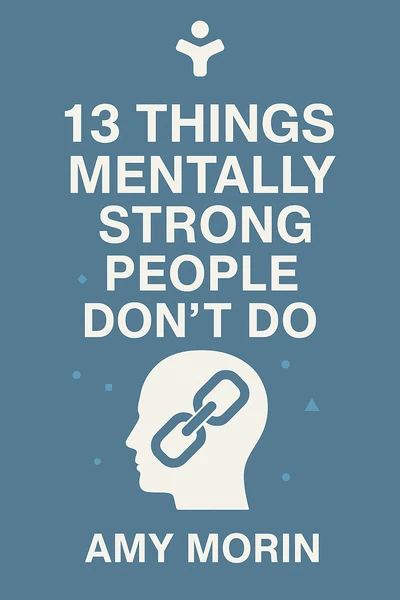
13 Things Mentally Strong People Don't Do: Take Back Your Power, Embrace Change, Face Your Fears, and Train Your Brain for Happiness and Success
Ready to Take Action?
Get the Mentorist app and turn insights like these into daily habits.