Uncover hidden blocks by mapping your emotional heritage
At twenty-seven, Erin realized she stormed out of every argument with her mother because she heard her dad’s furious voice from childhood. His screams had shaped a survival pattern of running away. She took the emotional history quiz, unearthed the earliest memory of that scream in the kitchen, and wrote it down in detail. Months later, when her partner’s raised tone triggered her flight reflex, she recognized the echo and forced herself to stay. She said, “I hear myself running away—Mom’s voice is back—but I choose to stay.” Her partner paused, lowered his voice, and they actually resolved the issue.
Neuroscience tells us old emotional tracks in the brain can be rerouted through conscious awareness. By mapping your pain and noticing its present-day replay, you can step off autopilot and choose how you bid for connection instead of reacting out of habit. Over time new, healthier pathways form. You don’t erase the past, but you reclaim your present, shaping relationships by new choices rather than old wounds.
Start by taking the quiz on your emotional history. Then spend ten minutes journaling your earliest memory for the feeling you struggle with most. When your next conflict arises, watch for that old pattern—stop yourself and notice the echo. Finally, share just one of these insights with someone you trust. The awareness you gain breaks the chain of old reflexes. Give it a try today.
What You'll Achieve
Internally, you’ll transform old wounds into conscious choices and self-compassion. Externally, you’ll bid for connection more authentically, avoiding triggers and building trust.
Trace and transform your early emotional roots
Fill out the emotional history test
Set aside quiet time to answer questions about your family’s responses to pride, love, anger, sadness and fear. These patterns shape how you bid and respond today.
Journal your earliest memories
For each feeling you scored low on, write the oldest memory you associate with it. Capture details—location, people, what was said—to see how it still echoes.
Spot today’s echoes
Review a recent conflict and match it to a childhood memory. Ask yourself, “Which old pattern got triggered?” Identifying this link frees you to choose a new response.
Share one insight
Discuss a single discovery with a trusted friend or partner. Explaining your emotional origin story helps you process it and invites support.
Reflection Questions
- Which childhood event still shapes your bids today?
- How might naming that echo change your next reaction?
- Who could you share this insight with to deepen your bond?
Personalization Tips
- Couples can each map childhood anger patterns and discuss how it shows up in fights.
- Managers and reports can explore early fears around criticism to improve feedback conversations.
- Friends can share their sadness grid to better support one another through tough days.
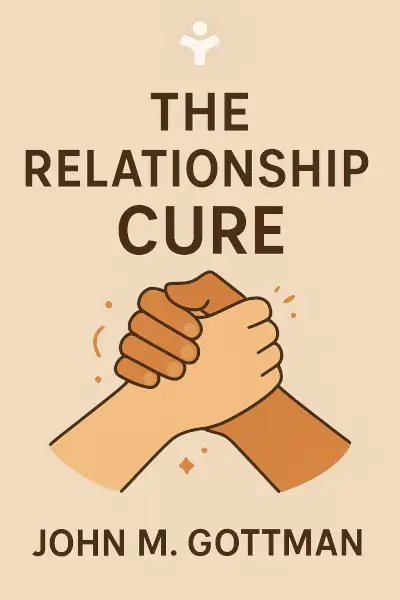
The Relationship Cure: A 5 Step Guide to Strengthening Your Marriage, Family, and Friendships
Ready to Take Action?
Get the Mentorist app and turn insights like these into daily habits.