Creativity Happens Through Practice, Not Magic
Most of us imagine creativity as a bolt of lightning—a sudden flash of genius that strikes without warning. Instead, research and experience show creativity works like learning to juggle: you focus on the throw before the catch. In thousands of tiny attempts, you master the pattern. Picture yourself in a dimly lit garage. You toss a ball and watch it hit the floor. Again. And again. At first it feels pointless, even embarrassing. But with each throw, your rhythm improves, your eye sharpens, and the catch emerges organically. Soon you’re surprised to find yourself responding naturally to the ball’s arc, even when you’re not aiming for a catch itself. This isn’t serendipity; it’s practice. Creativity is the result of persistent effort, not rare inspiration. By dedicating time to make regardless of outcome, you build the neural pathways that spark genuine innovation. Consistent, imperfect action leads to competence, flow, and ultimately, the magic we crave.
Imagine carving out a space in your day—maybe right after lunch or before bed—where you throw ideas against the wall. You commit to at least ten minutes of imperfect sketching, jotting down thoughts that might seem silly or incomplete. You let each ball fall, you note what surprised you, and you repeat this process daily. Over time, the small throws create a pattern and you’ll find yourself effortlessly catching more often. Give it a try today.
What You'll Achieve
You’ll develop a resilient daily routine that grows your creative skill, leading to more consistent output and a mindset that values effort over perfect results.
Start by Throwing, Not Catching
Commit to a daily making session
Set aside 10–15 minutes each day to work on your craft—write, sketch, code—regardless of how it turns out.
Embrace small failures
Deliberately make imperfect drafts or prototypes. These 'drops' teach you more than waiting for a perfect outcome.
Review your output weekly
Every Sunday, look back at what you produced. Identify patterns—what worked and where you improved.
Reflection Questions
- What small creative action can you commit to daily?
- How do you react to early failures or imperfect drafts?
- Which part of the making process excites you most?
Personalization Tips
- A student journals one page daily to grow writing fluency.
- A hobbyist photographer uploads one unedited shot per day to Instagram to track progress.
- A manager drafts a short weekly process improvement memo, sharing it with their team.
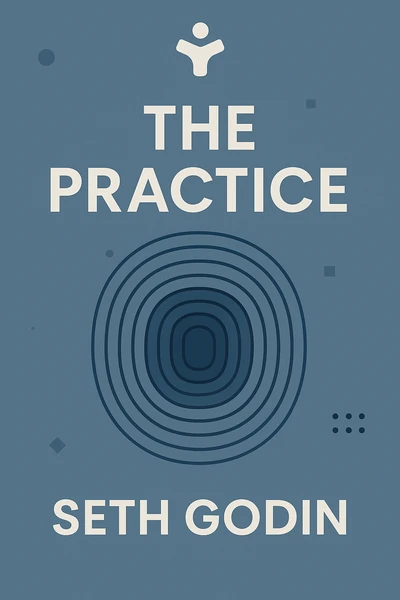
The Practice: Shipping Creative Work
Ready to Take Action?
Get the Mentorist app and turn insights like these into daily habits.