Regret lotteries make healthy choices stick
At a midsize university library, the survey team had a perennial problem: faculty and students never finished their feedback forms. An impassioned plea and email reminders yielded a 35% response rate. Then librarian Joyce Chapman experimented with a regret lottery. She told half the students they’d be entered to win a gift card only if they completed the survey. She told the other half they’d all be entered—but if a winner hadn’t submitted their form, she’d redraw. Guess which group jumped to a 66% completion rate?
This simple tweak harnessed anticipated regret. The students could foresee the burning cringe of their name being called out for a prize they’d missed. That shame proved a stronger motivator than the promise of gain alone. It’s the same idea Silicon Valley investors use in ‘regret bets’—write a check you’ll lose if you don’t follow through.
Behavioral economists call this a regret lottery: a risk of losing something you already ‘own’—attention from peers or the chance for a reward—if you don’t act. It taps loss aversion, but on the emotional side. You pay not with cash, but with an imagined pang of regret.
If you want real behavior change—like quitting sugar or pitching a new client—put your own regret lottery in motion. Invite accountability, set stakes you dislike losing, and watch how your brain steers you to fewer missed targets.
First, define one habit you’ve long wanted to change, like exercising three times a week. Next, recruit a friend to hold you to it and choose a small but real stake—maybe $5 per miss. Finally, post your bet in a group chat so everyone knows. The fear of social regret will nudge you past old barriers. Give it a try this week—turn regret into your secret superpower.
What You'll Achieve
You’ll leverage anticipated regret to increase your follow-through, creating accountability that reliably boosts habit compliance and reduces missed commitments.
Set up your own regret ‘bet’
Pick a key health or habit goal
Choose a habit you’ve avoided—like flossing daily or going for a run. Be concrete: ‘I will floss every night this week.’
Invite a friend as guarantor
Tell someone you trust what you plan, and ask them to hold you accountable. Let them choose a small stake you’ll lose if you miss a day.
Commit your stake publicly
Post your goal and bet on a group chat or social feed. Regret lotteries work because the prospect of public accountability amplifies motivation.
Reflection Questions
- What one habit have you repeatedly failed to start?
- Who would make a trusted accountability partner?
- What small stake would you be willing to risk?
- How will you publicly record your commitment?
- How might this structure prevent your next missed goal?
Personalization Tips
- Working on project deadlines? Bet $5 you’ll submit your first draft by Friday and forfeit if you miss it.
- Trying to read more? Pledge a small donation if you don’t finish one chapter a day.
- Hoping to eat healthier? Tell a coworker you’ll pay them $10 if you grab chips instead of fruit.
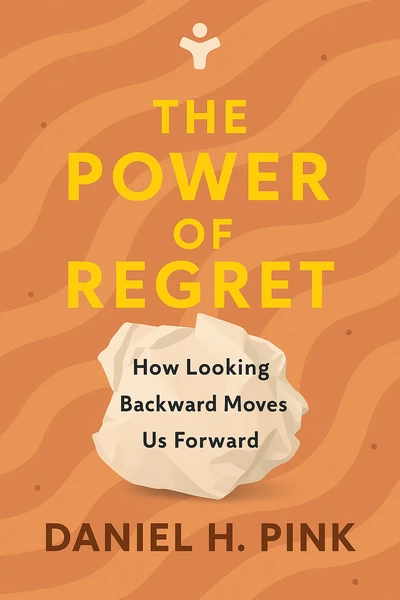
The Power of Regret: How Looking Backward Moves Us Forward
Ready to Take Action?
Get the Mentorist app and turn insights like these into daily habits.