Step outside yourself to tame regret
Humans aren’t meant to live glued to our first-person lens. Social psychologists show we often make wiser decisions when we view our own choices from a third-person viewpoint. In other words, the mind is a camera—sometimes you need to zoom out for clarity.
Imagine you’re watching your own life on a big screen. You see your name in the lower corner: ‘Jordan.’ You hear Jordan’s racing thoughts: ‘I shouldn’t have snapped.’ Now you’re an impartial observer. You notice the tone of voice, the room’s lighting, the echo in your head. That distance tames the tidal wave of shame and frees you to see what Jordan could do differently.
Similarly, research finds that fast-forwarding—from today to a decade ahead—reduces panic and helps you weigh options more logically. Those future selves, unburdened by today’s heat, offer simple counsel: ‘Don’t overthink, just call them.’
In business, Andy Grove’s ‘premortem’ works the same way—teams imagine a project has failed and diagnose causes before they start. By anticipating regret from multiple angles—self-distancing in time and space—you gather insights you’d miss in the thick of disappointment.
That shift from immersion to observation isn’t escaping your pain. It’s using your imagination’s superpower to reframe regret into an instruction manual for better choices.
Start by describing your recent regret as if you’re talking about someone else—use your name and ‘she’ or ‘he.’ Then, close your eyes and imagine yourself ten years from now looking back; note the single best piece of advice you’d offer. Finally, draw or write a bird’s-eye summary of what happened. These small distance techniques turn regret into clarity. Give it a shot next time you feel stuck—you’ll be amazed at the new perspective.
What You'll Achieve
You’ll extinguish paralyzing shame, gain objective insights, and craft clear, regret-free strategies for future decisions.
Use distance to gain clear insight
Play yourself in third person
Recount your regret as if you’re describing someone else: ‘Maria saw that she missed her flight.’ This narrative shift reduces shame and helps you analyze choices clearly.
Fast-forward a decade
Close your eyes and imagine looking back at this moment from age 80. What advice would you give your present self? Write that future counsel in one sentence.
Find the fly-on-the-wall view
Sketch or describe the scene from above—your surroundings, thoughts, and emotions included. Observing from a neutral vantage point makes constructive patterns more obvious.
Reflection Questions
- How differently would you counsel yourself from your 80-year-old vantage point?
- What details do you see when you observe your regret from above?
- Which voice—your first-person or third-person—speaks more kindly?
- In what situations could self-distancing prevent your next regret?
- What’s the best advice your future self can offer today?
Personalization Tips
- Before deciding a risky move, talk to yourself as ‘Taylor’ and see if that voice calms your anxiety.
- When you regret a parenting slip, imagine your 80-year-old self advising you kindly with decades of perspective.
- If you missed a deadline, visualize the scene from a bird’s-eye window and spot the moment you could have paused.
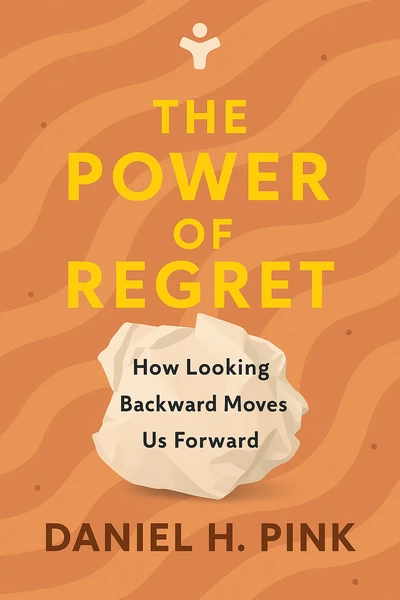
The Power of Regret: How Looking Backward Moves Us Forward
Ready to Take Action?
Get the Mentorist app and turn insights like these into daily habits.