Self-compassion beats self-criticism every time
Self-criticism often masquerades as motivation: ‘You’re lazy,’ ‘You’ll never improve.’ Yet decades of psychology research show the opposite. When you scold yourself, your brain’s stress centers flood you with cortisol. You feel stuck and helpless. Self-compassion, by contrast, activates the parasympathetic system—literally soothing your mind and opening you to new solutions.
In landmark studies by Kristin Neff, participants trained in self-compassion reported higher optimism, curiosity, and resilience compared to those who practiced self-esteem boosting. They also showed lower anxiety and depression. Remarkably, self-compassion isn’t just feel-good fluff: it strengthens your ability to learn from mistakes. When you treat yourself as kindly as a friend, you step back from shame and spot the lessons faster.
Think of your mind as a GPS. Self-criticism is like throwing a tantrum when you take a wrong turn—it doesn’t reroute you, it just makes the trip miserable. Self-compassion, on the other hand, calmly says, ‘OK, recalculating,’ and finds a smoother path forward.
In his Nobel-winning theory of bounded rationality, Herbert Simon argued we satisfice rather than maximize. Self-compassion fits perfectly: it sets a healthy standard—‘I’ll do my best, and that’s enough to keep improving.’ That shift in mindset reshapes every next decision.
First, whenever you catch yourself in harsh self-talk, switch to your own name—‘You’re not a failure, you’re learning.’ Next, jot a single phrase of comfort you’d offer a friend, like ‘You’ve got this.’ Finally, remind yourself mistakes are universal—name two people you admire who’ve stumbled. These steps aren’t just warm-fuzzies; they calm your stress response and sharpen your next move. Try it now when you face your next setback.
What You'll Achieve
You’ll replace shame with resilience, unlocking clarity and reducing anxiety, so you recover faster from setbacks and maintain motivation.
Turn harsh judgment into kind guidance
Refer to yourself by name
When you catch yourself thinking ‘I messed up again,’ pause and rewrite it as ‘Alex is going through a tough moment.’ Using your name creates healthy emotional distance.
Offer yourself the mildest comfort
Journal a simple phrase you’d tell a friend, like ‘You did your best with the information you had.’ This diffuses shame and unlocks clarity.
Frame mistakes as common
Remind yourself that ‘everyone makes mistakes.’ In your notes, list two people you admire who’ve stumbled. Recognizing common humanity reduces isolation.
Reflection Questions
- What harsh self-criticism have you used lately?
- How would you comfort a friend facing that same mistake?
- What phrase of kindness will you adopt as your go-to?
- Who in your life models self-compassion best?
- How might naming your common humanity change your mindset?
Personalization Tips
- After underperforming at work, say, ‘Taylor is learning from this setback,’ then jot next steps.
- When you skip a workout, write, ‘Jordan knows life gets busy—let’s plan a 10-minute walk.’
- If you forget a deadline, note, ‘Kim hears this is important—how can we prevent it next week?’
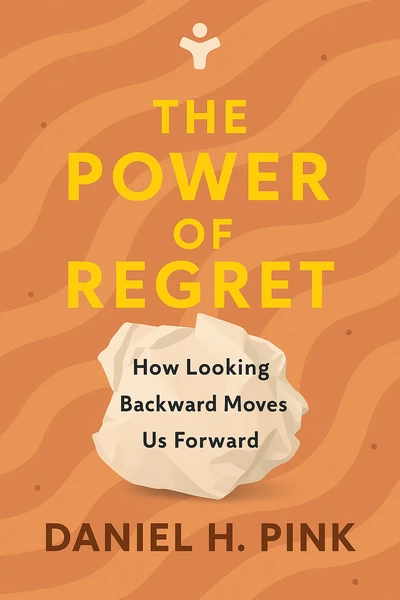
The Power of Regret: How Looking Backward Moves Us Forward
Ready to Take Action?
Get the Mentorist app and turn insights like these into daily habits.