Celebrating your missteps unlocks growth
You can feel your heart race when you realize you snapped at a friend over text. It’s an uncomfortable ache, and you might be tempted to sweep it under the rug or stew in shame. But mindfulness research tells us that observing your mistakes with compassion helps you learn faster.
Close your eyes for a moment. Hear your own gentle sigh. Acknowledge the regret like you would notice a rock in your shoe—an alert that something’s off. Picture the scene on a small screen in front of you: the exact words you sent, the ping of your chat app, the dull regret in your gut. Then zoom out and watch the seconds rewind, noticing each thought that led you there. You’re not a bad person—just a human being navigating a tricky social moment.
Now, imagine fast-forwarding. You see the ideal version of you taking a two-second pause before replying, then choosing kinder words. That future you is grounded in patience.
Crucially, this isn’t a pity party. It’s a data-gathering mission. When you witness your slip objectively, you harvest wisdom rather than weight. Compassionate reflection holds the tension of your present regret against the promise of your improved future. It’s where growth emerges.
First, pause to see your regret as a signal rather than a sentence. Then mentally replay the event as a calm observer—note every trigger and thought. Finally, shift to seeing how you’d do it in five minutes or five days: a future buffer of self-compassion. That gentle, mindful loop helps you act with intent. Give it a try next time you stumble—you might be surprised at how quickly insight follows compassion.
What You'll Achieve
You’ll learn to meet your regrets with empathy, converting self-judgment into clear insights that guide better future choices while preserving your well-being.
Transform slips into strategic fuel
Record your slip points
Keep a brief log of moments you feel you failed—missed workouts, hurt words. Note the context, your choice, and the outcome in bullet form after each day.
Extract a key lesson
At the end of the week, review your log. For each entry, ask, ‘What single tweak would fix this next time?’ Write one-line solutions, like setting reminders or pausing before speaking.
Map backward, then forward
Sketch a timeline from the mistake to today, then draw a new arrow showing the improved path. Visualizing both routes cements your learning and powers new habits.
Reflection Questions
- Can you recall a recent mistake without self-judgment?
- What inner voice would you use to comfort a friend in your shoes?
- How would a five-second pause have changed your response?
- What one thought shifts regret into learning for you?
- When today will you practice mindful reflection on a slip?
Personalization Tips
- On creative projects, log every moment you procrastinated and note what excuse held you back.
- In parenting, jot times you lost patience and propose a breathing-break tweak.
- When networking, note any follow-up you skipped and set a calendar check for next contacts.
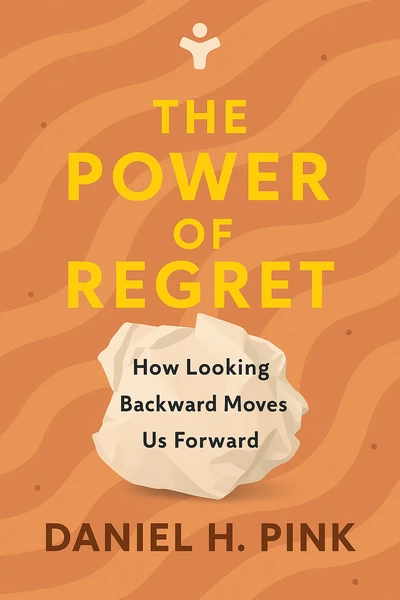
The Power of Regret: How Looking Backward Moves Us Forward
Ready to Take Action?
Get the Mentorist app and turn insights like these into daily habits.