Regret is an essential signal not a flaw
You’re rushing through your day when you realize you let a key deadline slip. The knot in your stomach tells you exactly what’s wrong—you regret not setting that reminder, and your boss’s email isn’t going to help you sleep tonight. You glance at your phone buzzing with notifications, and for a second you feel alone in that sinking feeling.
But you don’t have to stay stuck there. You pause at your desk, take a steadying breath, and name it: “I regret missing that deadline.” That little label feels like handing your worry a cup of coffee and turning on the lights—suddenly, it’s something you can see and tackle rather than a dark, shapeless weight in your chest. You dig out a sticky note and scrawl: “What went wrong? How can I stop this next time?” Then you pick up your phone and fire a quick text to a friend: “I need to talk through this miss.” Hearing your own words aloud helps you realize everyone makes mistakes.
By claiming your regret, you transform it from a paralyzing punch to the spark of a change. Your words and that note become your action plan—because regret isn’t a failure; it’s the clearest signpost directing you where to step next. I might be wrong, but I’ve found that whenever I frame regret as information rather than judgment, I end up making smarter choices—and sleeping sounder.
First, stop and label your sinking feeling as regret. That simple naming clears the fog so you know exactly what’s bugging you. Next, write down three quick notes about what you did, why it didn’t work, and what you’ll do differently—turning emotion into a clear plan. Then text a trusted friend with one sentence about what happened; sharing lightens the load. Give this a try today—you’ll see how naming and sharing regret can set you back on course.
What You'll Achieve
You’ll gain immediate emotional relief and sharper self-awareness, transforming regret into actionable insight and restoring confidence in your daily decisions.
Acknowledge regret as part of life
Notice your regret
Pause when you feel that sinking disappointment and label it ‘regret.’ This simple act of naming calms the flood of anxious thoughts and gives you clarity on what went wrong.
Describe the regret in writing
Spend five minutes jotting down what you did or didn’t do, the emotions you felt, and how it affected your goals. Putting it on paper turns a vague ache into concrete data.
Say it aloud to a safe friend
Share your regret in a short call or message. Disclosing the experience to someone you trust lightens your emotional load and prepares you for constructive next steps.
Reflection Questions
- When was the last time you felt regret, and how did you handle it in the moment?
- Who could you safely share a recent regret with to lighten your burden?
- What single change would prevent this regret from happening again?
- How might naming your regret shift your perspective on it?
- What does your regret reveal about a habit you want to build?
Personalization Tips
- At work, admit to yourself you regret missing that meeting—then note how you’ll flag calendar invites differently.
- At the gym, if you regret skipping every Tuesday session, text a friend now to set up a workout reminder.
- With family, if you regret not calling your sister weekly, schedule a recurring call on your phone.
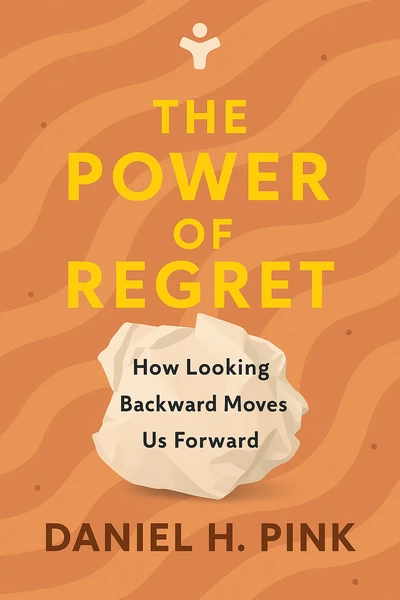
The Power of Regret: How Looking Backward Moves Us Forward
Ready to Take Action?
Get the Mentorist app and turn insights like these into daily habits.