Design rooms that calm your nervous system with light, scent, and soft edges
In the evening, you turn off the overheads and click on the small lamp. The light glances off the wall and fills the corner with a soft glow. A fern curls toward the shade, its leaves a quiet green. You sit, feel the fabric under your hands, and notice the room getting quieter without changing a thing outside your window. Your phone is charging in the hallway.
The first night you made this nook, you felt a little odd sitting with nothing to do. You picked up a book that had been on your shelf for a year and read three pages, the smell of paper mixing with the faint citrus of a candle. A week later, your shoulders start to drop the moment you enter the room. It’s become a cue, like a warm bath for your senses. You talk with your partner there after dinner, ten minutes, no screens. The conversation is different when nothing dings.
A small moment from last week sticks: you came home buzzing from a long day, and instead of collapsing into another app, you sat in the nook and stretched. Ten minutes later, your brain wasn’t fixed, but it felt held. The plant needed water, you noticed, and you poured slowly until the soil darkened. It’s hard to feel rushed while watering a fern.
This setup borrows from what we know about the nervous system. Warm, indirect light lowers arousal compared with bright overheads. Plants improve air quality and provide a gentle, tending ritual. Simplified color palettes reduce visual load. Deliberate zones help your brain categorize spaces by function, so rest feels more natural there. You don’t need a new house. You need one corner that teaches your body what calm feels like.
Pick a corner you can control and swap the overhead glare for a warm lamp, then add a small plant and clear out bright, busy colors so the space looks and feels simple. Decide what this nook is for—reading, stretching, or quiet talk—and place a book, mat, or two mugs within reach while you keep screens out. Use it for ten minutes tonight and let your body learn the cue you’ve built.
What You'll Achieve
Internally, you’ll feel calmer faster and make unwinding a repeatable habit. Externally, you’ll reduce evening screen time, improve sleep cues, and create a small space others gravitate to for connection.
Make one nook your nightly landing pad
Warm the light.
Replace harsh overheads with a low lamp and warm bulbs. Aim light at walls or surfaces to create soft ambient glow.
Add one living thing.
Place a plant or herb nearby. Caring for it adds a tiny daily ritual that signals slow time.
Simplify the palette.
Remove bright reds and intense greens from your nook. Choose earth tones or cool colors to reduce stimulation.
Define the purpose.
Decide this nook is for reading, stretching, or quiet talk only. Keep screens out. Place a book or mat within reach.
Reflection Questions
- Which corner of your home could become a calm signal with small changes?
- What activity belongs in your nook and what should stay out?
- What’s one bright or busy item you can remove tonight?
- Which plant would you enjoy tending every few days?
Personalization Tips
- Sleep: Read in your nook under warm light for 15 minutes before bed instead of scrolling.
- Relationships: Sit in the nook with tea for a daily ten‑minute check‑in.
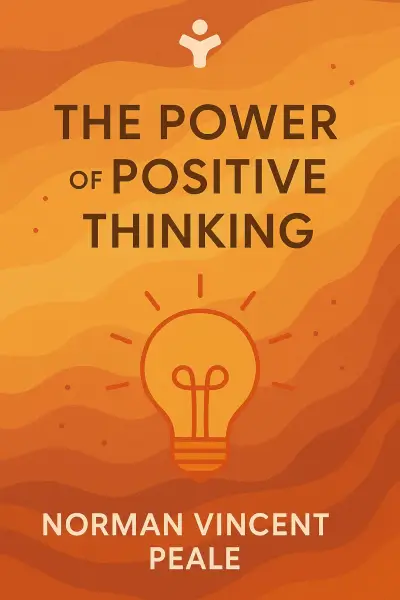
The Power of Positive Thinking
Ready to Take Action?
Get the Mentorist app and turn insights like these into daily habits.