How to enjoy hard work through simple conditioning
Amanda dreaded her evening math drills—each polynomial felt like wading through mud. Then she discovered a twist: only one candle scent lit just before study time. The first night, she inhaled the warm vanilla aroma and found the usual resistance softened. Page by page, the exercises felt more bearable, even oddly soothing.
As days passed, that cozy scent became her secret handshake with focus. The kitchen timer dinged twice, her pen scratched numbers, and the candle’s glow anchored her mind. She’d smile at the familiar comfort, lean into the problem, and feel a spark of enjoyment. It wasn’t just trickery—she was genuinely solving equations with a lighter spirit.
Behavioral science calls this classical conditioning: pairing a neutral stimulus with a desired response until they merge in the brain’s reward circuits. Pavlov proved that dogs could salivate at a bell. You can train yourself to look forward to work by consistently pairing it with a positive cue. Over time, even stepping into your workspace will carry a whiff of anticipation rather than dread.
You start by choosing a single enjoyable cue—your favorite instrumental playlist or a scented candle—and use it only before sessions of difficult work. Each day you note how it uplifts your mood after ten minutes and jot this in a log. As the association deepens, you gradually reduce the cue’s role, finding pleasure in the work itself. This conditioning flips your mindset so effort becomes something to anticipate. Try lighting that candle tonight.
What You'll Achieve
You’ll transform aversion to difficult tasks into genuine anticipation, making it easier to start and sustain effort. Expect increased motivation, reduced procrastination, and a more positive work experience.
Pair effort with a positive trigger
Choose your favorite stimulus
Pick one enjoyable cue—music, tea, or a scent—that you can consistently apply before a tough task.
Apply the cue always
Before each session of hard work, listen to the song or brew your tea. Keep this pairing strict and exclusive to productive time.
Note your mood shift
After ten minutes, jot any uplift in focus or pleasure. Tracking helps deepen the mental link between the stimulus and effort.
Gradually wean the reward
Once the habit feels natural, reduce reliance on the cue, enjoying the work itself more than the trigger.
Reflection Questions
- What single cue excites you enough to pair with challenging work?
- How will you track mood shifts to reinforce the association?
- When might you begin to rely less on the cue and enjoy the process itself?
Personalization Tips
- Writers might brew chamomile tea before drafting each morning page.
- Programmers can play a specific instrumental playlist only while coding.
- Fitness buffs could wear a special wristband before workouts to signal performance mode.
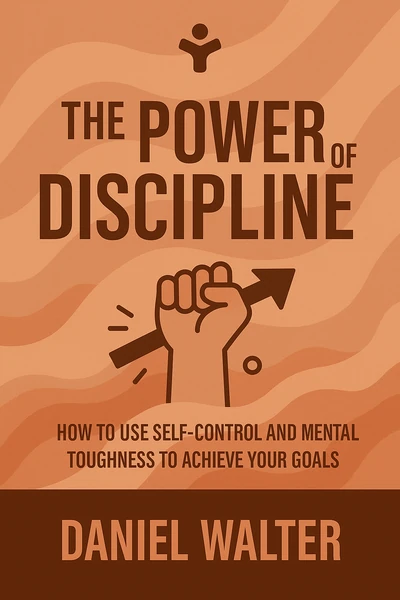
The Power of Discipline: How to Use Self Control and Mental Toughness to Achieve Your Goals
Ready to Take Action?
Get the Mentorist app and turn insights like these into daily habits.