How identity-changing habits stick longer than simple goals
Carlos wanted to read more, but setting a goal for one book per month felt daunting. Then he tried trading the goal for an identity: “I am a reader.” He wrote it on a sticky note above his desk. Each night he opened a random page and read one paragraph. He’d whisper, “Yep, I’m a reader,” then close the book again and step away. Soon that tiny ritual felt natural—no longer a chore, it was a quiet claim of who he was becoming.
On days he skipped, he didn’t spiral into guilt. Instead, he told himself, “I’m still a reader—I’ll read one paragraph tomorrow.” That simple reframe erased the black-and-white thinking trap. Over months, those paragraphs turned into chapters, then full books. The identity felt unshakeable.
Identity-based change works because behavior flows naturally from self-belief. Behavioral research shows that once you internalize a label, automatic choices align with it. By starting small—one sentence, one paragraph—you build a lifestyle rather than chase fleeting targets.
You begin by writing your future self-label in the present tense—‘I am a runner,’ ‘I am a coder’—and place it where you’ll see it daily. Attach a micro-habit to that identity—one paragraph, one chord, or one code review per day. When you inevitably miss a session, remind yourself kindly that the identity remains intact and schedule a makeup. Each time you perform the ritual, pause, mentally affirm your new identity, and feel that moment of ownership. Give it a try tonight.
What You'll Achieve
You’ll transform intentions into a lived identity, making daily actions almost automatic. Expect sustained motivation, kinder self-talk during setbacks, and lasting behavior change beyond short-term goals.
Upgrade your identity with small rituals
Name your future self
Write a clear label—‘I am a reader’ or ‘I am a runner.’ Use present tense to anchor your new identity.
Attach a tiny habit
Pick one micro-ritual—for readers, one page per day; for runners, stepping outside in running shoes—and perform it daily.
Reframe setbacks kindly
When you miss a day, remind yourself: “My identity is solid, I just skipped today.” Plan a makeup session rather than self-blame.
Celebrate identity signals
Each time you act, pause and say internally, “Yes—I am that person.” This verbal cue strengthens your self-image.“
Reflection Questions
- What label would you choose for your future self?
- Which tiny ritual can you attach to that identity today?
- How will you reframe missed days to protect your new self-image?
Personalization Tips
- Aspiring writers can label themselves “a writer” and draft one sentence daily.
- New meditators might say “I am calm” and sit quietly for two minutes each morning.
- Future musicians might declare “I am a guitarist” and practice one chord change nightly.
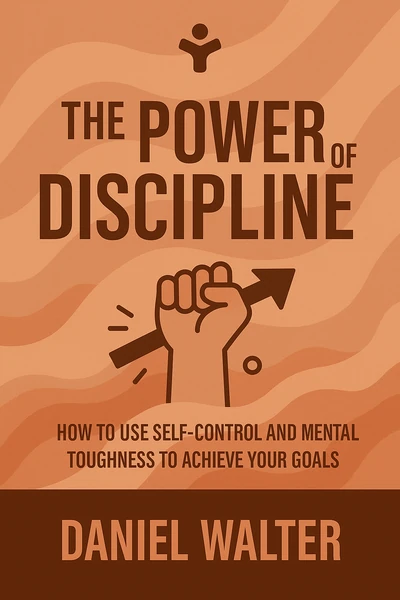
The Power of Discipline: How to Use Self Control and Mental Toughness to Achieve Your Goals
Ready to Take Action?
Get the Mentorist app and turn insights like these into daily habits.