How to guard your willpower against depletion
You’re midway through a packed day when an email pops in—your brain buzzes with tension and the nearest snack drawer suddenly looks tempting. Your willpower gauge is dipping fast. But if you’ve already cleared out cupcakes from your desk and tucked that “if-then” reminder in your pocket, you bypass the struggle. You reach for a glass of water instead, repeating quietly, “If I want a sweet, then I drink water,” and suddenly the craving eases.
Later, you step away from your laptop for a two-minute stretch. The hum of fluorescent lights gives way to the soft creak of office chairs as you rotate your shoulders and focus on slow, regular breaths. That pause isn’t just a break—it’s a recharge for your mental battery. You return to the keyboard feeling steadier, the remaining tasks suddenly more manageable.
Science calls this willpower depletion: each choice saps a little more self-control. But by removing temptations, scripting responses, and scheduling mini-breaks, you create a protective shield. Over weeks, these tactics turn into habits, and your mental energy stays available when you need it most.
You start by clearing your two biggest temptations—perhaps sweets and social apps—so they’re out of reach. You carry a simple “if-then” script in your mind—“If I feel a craving, then I drink water”—and use it whenever urges hit. Every 90 minutes, you step away for two minutes, stretch and breathe deeply to top up your mental energy. Finish your workday with a 10-minute unwind—journal or read—before chores. This routine keeps your willpower reserves full. Give it a try tomorrow.
What You'll Achieve
You’ll experience sustained energy throughout your day, fewer stress-induced slips, and faster recovery from mental fatigue. Expect a steadier focus, clearer thinking under pressure, and an overall reduction in impulsive choices.
Build a willpower protection plan
Remove top temptations
Identify two recurring distractions—like cookies or social apps—and remove them from your environment for the day. By changing your surroundings, you’ll conserve willpower.
Create an “if-then” script
Prepare a brief phrase: “If I want a snack, then I’ll have water.” Rehearse it mentally each morning to automate self-control under stress.
Schedule recovery breaks
Plan short pauses every 90 minutes—stand, stretch, or take deep breaths. These mini-breaks replenish mental energy and reset your focus.
End the day with a buffer
After work, spend 10 minutes unwinding—read or journal—before tackling any chores. This prevents late-day fatigue from overrunning your willpower bank.
Reflection Questions
- Which two temptations could you remove today to reduce daily willpower drains?
- What “if-then” script feels most natural for your strongest urge?
- How can you integrate a 90-minute refresh break into your existing routine?
Personalization Tips
- Before a presentation, move your phone to another room so you stay focused.
- If you crave a snack after work, keep sugar-free tea nearby and follow your “if-then” script.
- During study sessions, practice box breathing every 90 minutes to refresh concentration.
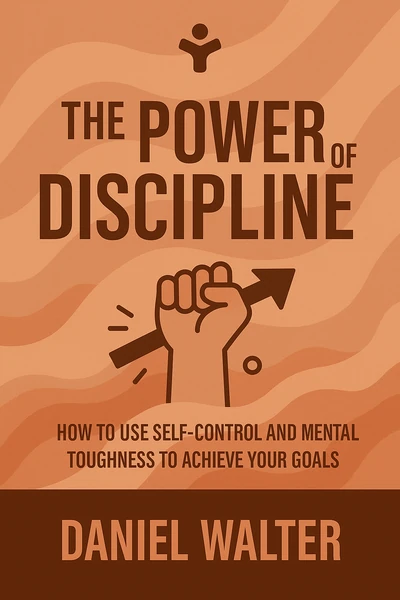
The Power of Discipline: How to Use Self Control and Mental Toughness to Achieve Your Goals
Ready to Take Action?
Get the Mentorist app and turn insights like these into daily habits.