Stress eating stops when breathing resets your brain
You slump at your desk, promised yourself only an apple but the vending machine just winked at you—popcorn, candy bars, fizzy soda. Your pulse picks up, defining those first twinges of stress. Out of nowhere, your hands reach for the packet. Except today, you remember something different.
You sit up, close your eyes, and take five slow belly breaths. Your chest softens and your pulse settles. That gnawing urge to munch? It melts into the background. You realize you’re not starving; you just had a tense Zoom and your body wanted comfort. Instead of a sugar rush, you grab your coat and head out into the crisp air.
Outside, you exhale fully, pinch your nose, and keep walking for twenty paces before a minute of calm nose breathing. When you return, the craving’s lost its grip—you tap your journal: “Zero snacks, five breaths.” You feel proud and curiously lighter.
This small ritual rewrites your stress response. By bringing attention to your breath, you switch off a fight-or-flight loop that drives emotional eating. Science calls it balancing CO₂ in the blood, stabilizing pH, and calming the amygdala. In plain speak, you just learned to think with your brain, not react with your belly.
Next time you feel stress-snack temptation, take five diaphragmatic breaths to provoke a tiny air hunger and a moment of calm. Question your true need—hunger or anxiety—then step outside to hold your breath for twenty steps. Repeat once, and log the victory. You’ll notice the urge vanish almost every time. Try it during your next work slump.
What You'll Achieve
You’ll intercept emotional snacking, reduce unnecessary calorie intake, and build mental resilience against stress triggers.
Break the food-anxiety cycle
Pause each craving with light breaths
Once you feel the urge to snack out of stress, stop and take five gentle diaphragmatic breaths, creating a mild air hunger. Notice how your craving shifts.
Ask if you’re truly hungry
After your breaths, mentally check: “Do I feel physical hunger or an emotional need?” If it’s emotional, note it in a journal instead of heading for the fridge.
Follow a 5-step walking break
Walk outside and exhale, hold your breath for 20 steps, then resume normal nose-only breathing for one minute. Return calmer, not calorie-craving.
Log stress triggers and wins
Keep a notebook by your fridge. Each craving blocked by breath work deserves a checkmark—the tally shows you’re retraining both belly and mind.
Reflection Questions
- What emotions usually trigger your cravings?
- How quickly do five calm breaths ease your urge?
- Which habit will you replace with a breath break next week?
Personalization Tips
- Corporate team lead: When midday stress hits, excuse yourself for a 5-minute breath-hold walk instead of vending-machine snacks.
- Parent: Before reaching for ice cream to calm a cranky toddler, take five light breaths to decide if you’re hungry or anxious.
- Student: Swap late-night chips for journaling how a tough lecture made you feel—using breath pauses to soothe anxiety.
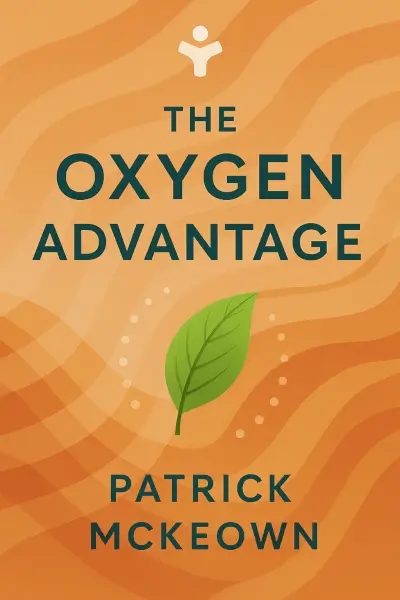
The Oxygen Advantage: The Simple, Scientifically Proven Breathing Techniques for a Healthier, Slimmer, Faster, and Fitter You
Ready to Take Action?
Get the Mentorist app and turn insights like these into daily habits.