Why juggling tasks actually slows you down
You’ve heard it countless times: don’t text and drive. But modern life tempts us with a dozen distractions—an incoming e-mail here, a news alert there. You claim you’re good at juggling. Then one day you find yourself off the freeway exit you needed, your heart pounding as your phone cracks its fifth notification of the morning.
Neurons in your prefrontal cortex buzz each time you switch from task to task, demanding oxygenated glucose. The mind-wandering network tugs at you; the central executive fights back. Each switch leaves you drained, like running full speed then hitting reverse. Creative sparks fizzle, and fatigue settles in, not from boredom but from metabolic crash.
Research shows our conscious bandwidth hovers around 120 bits per second—barely enough to follow a second voice and song at once, much less three or four threads. Each time you resist the urge to check your phone, you build focus muscle. It’s like closing a door in your mind, blocking rush-hour traffic so you can hear that one melody or finish that report.
Next time your phone buzzes, feel the urge to respond. Notice the racing pulse and the flicker of fear—fear you’ll miss something. Acknowledge it, then let it go. Concentrate on the keystrokes, the notes, the really important voices around you. You’ll finish your work with energy left to chat, create, or simply breathe.
Block out distraction: set your phone to silent, close all nonessentials, and dive deep into your chosen task for a solid chunk of time. When the urge to switch surfaces, pause, breathe, and release it. Trust that you can catch up on messages later. Give it a shot in your next work session.
What You'll Achieve
You’ll strengthen your concentration, finish tasks more quickly, and feel less mental strain; externally, you’ll reduce errors, improve creativity, and reclaim lost time.
Tame your focus by ditching multitasking
Track your task switches
For one morning, keep a simple log of every time you switch from one task to another. Note what you were doing, what interrupted you, and how you felt.
Block-schedule your priorities
Carve out uninterrupted blocks—30 or 60 minutes—for deep work. Put your phone on Do Not Disturb and close unrelated browser tabs to shield your central executive from distractions.
Merge related tasks
Batch similar activities—e-mail replies, calls, administrative work—into a single time slot. Your brain can then stay in one mode longer, burning less energy on switching.
Reflection Questions
- What are your biggest daily distractions?
- How could a 30-minute deep-work block reshape your productivity?
- What steps will you take to resist the urge to switch tasks?
Personalization Tips
- A student sets two-hour offline study sessions with a physical timer and no smartphone.
- A parent listens to kids’ play in 45-minute bursts, then handles chores or e-mails in a separate hour.
- A freelancer groups creative writing in the morning, admin and invoicing in the afternoon.
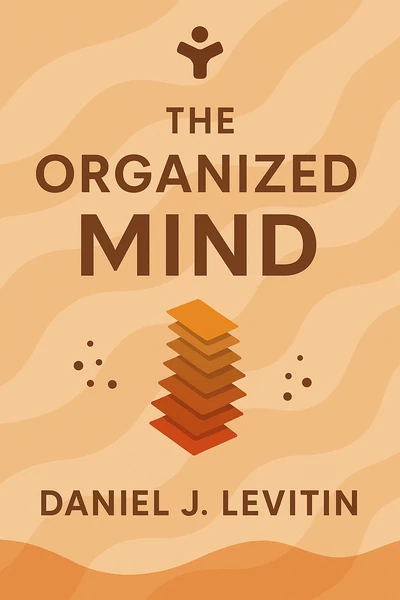
The Organized Mind: Thinking Straight in the Age of Information Overload
Ready to Take Action?
Get the Mentorist app and turn insights like these into daily habits.