Supermarkets hide the roots of your food
When Emma grabbed a box of breakfast cereal on her way out the door, she never paused to wonder where the sugar and grains came from. It wasn’t until she learned a coworker traced a single ingredient on a label back to a factory in the Midwest that she realized how opaque most food chains are. In her apartment kitchen, she lined up six identical boxes from different brands and read the front labels—‘whole grain,’ ‘no artificial flavors’—then flipped them all over. The back labels revealed a tangle of words like ‘HFCS,’ ‘maltodextrin,’ and ‘monoglycerides.’
Driven by curiosity, Emma used her phone to look up ‘maltodextrin’ and learned it’s a refined starch extracted from corn. She followed it one step further: It started its journey as commodity corn sprayed with pesticides, harvested by a GPS-guided combine, steered to a massive grain elevator, trucked to a wet mill, refined into a powder, and finally added to her cereal mix. She realized that every mouthful carried dozens of human choices and political decisions behind it.
Armed with this new perspective, Emma felt more confident at the supermarket. She began selecting products whose ingredient stories she not only understood but appreciated—like a regional granola whose oats came from a small farm in her state. In sharing her discoveries, she sparked eye-opening conversations with friends and family: about how food is made, who benefits, and what it really costs. Slowly, she was turning every grocery trip into an opportunity to connect culture, economics, and the natural world into meals she could stand behind.
Invite a friend or colleague to join you for a label-reading challenge. Choose one product, uncover an ingredient’s journey from field to fork, and share that narrative over coffee. You’ll gain greater clarity on what you’re really consuming, empowering smarter choices next time you shop. Give it a try at your next break.
What You'll Achieve
You’ll develop the skill to uncover hidden supply chains, make food choices aligned with your values, and spark informed conversations in your network. This leads to better stewardship of health, environment, and wallets.
Uncover at least one ingredient’s origin
Pick a packaged food
Choose a product you eat often—a jar of sauce, cereal, or snack bar—and read the label from front to back. Note every ingredient you don’t recognize immediately.
Research its origin
Use a quick online search or smartphone to find out where each unfamiliar ingredient comes from and why it’s used. For example, learn whether ‘maltodextrin’ is corn-derived and why.
Trace one ingredient home
Choose one fraction (like high-fructose corn syrup) and dig deeper: follow it to the farm, the processing plant, even the field of corn it was milled from. Note at least three steps in its journey.
Share your story
Tell a friend or family member what you discovered: a 30-second narrative from soil to supermarket. Exchanging these stories builds awareness in your community.
Reflection Questions
- Which ingredient on your pantry list would surprise you the most if you traced its origin?
- How might your shopping change if you understood the energy and labor behind every fraction?
- Who in your life would benefit from learning your ingredient story next?
- What’s one small swap you feel empowered to make after doing this research?
Personalization Tips
- At work, challenge a colleague over lunch to guess a soda’s sweetener source: sugarcane or corn?
- With friends at dinner, quiz each other on whether soy lecithin comes from soybeans or lab chemicals.
- In a parenting moment, show your teens the path from chicken nugget to farm, turning dinner into an adventure.
- On a weekend hike, spot a plant you recognize and imagine the steps that would get it onto a supermarket shelf.
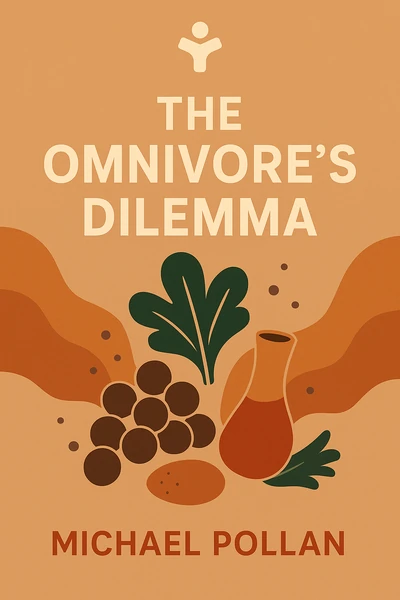
The Omnivore's Dilemma: A Natural History of Four Meals
Ready to Take Action?
Get the Mentorist app and turn insights like these into daily habits.