Build a Self-Compassion Safety Net for Your Inner Critic
You sit in your favorite armchair, hands resting on your lap. A low hum of traffic drifts through the window as you recall last night’s self-criticism: “I’m so stupid for missing that deadline.” You hold that thought gently and imagine replacing it with a caring friend’s voice whispering, “You did your best under stress, and that counts.” A wave of calm washes through you, your chest unclenching.
Moments later, you’re at your desk facing a clear blank page. You see the golden net of self-compassion you practiced earlier—soft and reassuring just below your ambitions. Your fingers hover, but instead of panic, you feel a quiet confidence that even missteps won’t break you.
Science tells us that compassionate self-talk lowers the amygdala’s alarm bells and engages the brain’s soothing pathways. You’re racing faster, but peacefully—like a leaf riding calm currents, not buffeted by fear.
This inner net of kindness isn’t fluff; it’s a nerve-growth stimulant for resilience. Each time you catch yourself, you plant a new seed of self-trust. Soon, mistakes become fuel for creativity rather than proof of failure.
As you breathe deeply, revisit each harsh self-judgment from your week. Reply to each with an understanding, friend-like phrase. Pick a safety statement—perhaps “I’m allowed to learn as I go”—and repeat it each morning. Feel the golden net of compassion supporting you before you type your first words. Give it a try today.
What You'll Achieve
You will quiet your inner critic, reduce anxiety, and foster self-trust, enabling you to start and persist in tasks with emotional safety.
Weave your own safety blanket
Spot self-judgments.
Write down five times you’ve criticized yourself this week, noting the exact words and the situation behind them.
Craft compassionate responses.
For each criticism, write a reply as if consoling a friend—offer understanding and encouragement rather than blame.
Anchor safety statements.
Choose one phrase like “I am enough even when I err,” repeat it aloud three times daily to build nerve-ending memory of worth.
Visualize a net.
Close your eyes, imagine a golden safety net below you before a challenging task, and affirm you won’t fall beyond recovery.
Reflection Questions
- When did your inner critic speak loudest this week?
- How did a compassionate reply change your willingness to try again?
- What would your golden net look like in a tough moment?
Personalization Tips
- A student who fears a bad grade practices “My effort shows my value” before exams.
- An artist repeats “Mistakes guide discovery” when a painting doesn’t go as planned.
- A manager imagines a warm glow underfoot before delivering tough feedback.
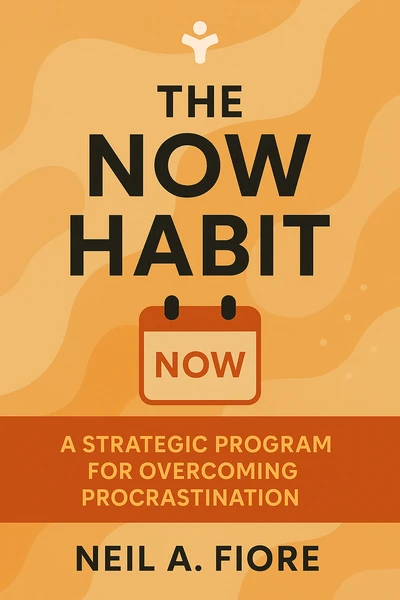
The Now Habit: A Strategic Program for Overcoming Procrastination and Enjoying Guilt-Free Play
Ready to Take Action?
Get the Mentorist app and turn insights like these into daily habits.