Why Relationships, Not Rewards, Keep You Alive
In the rush of deadlines and notifications, it’s easy to forget how deeply we need one another. One winter evening, you traced your finger along a crack in the wall rather than call a friend. The quiet isolation felt heavy. You remembered a study showing that social isolation increases mortality risk almost as much as smoking. You picked up the phone and dialed your neighbor, asking how her day went. Hearing her laugh as she described a simple triumph—a perfect batch of chili—lifted an unexpected warmth in your chest. That feeling was more powerful than any dopamine surge you’d chased that week. Your empathy circuits were alight, oxytocin flowing through your veins. You realized relationships are true lifelines, woven from shared smiles, small kindnesses, and the comfort of knowing you’re not alone. That night, you scheduled a regular coffee date. No status updates, no slide decks—just two friends in the winter cold, reminding each other that connection, not endless progress, is what truly sustains our bodies and our souls.
You’ve felt the chill of isolation and the warmth of reconnection. Now, commit to a ten-minute check-in with someone you care about, volunteer locally for shared purpose, and practice gratitude for the people who fill your life with joy. These small, mindful acts spark oxytocin and endorphins, safeguarding you against loneliness and fueling your well-being. Make these social rituals as essential as brushing your teeth—because human bonds are what keep us alive and thriving.
What You'll Achieve
Enhance your emotional well-being and longevity by strengthening daily social connections. You’ll experience greater happiness, reduced stress, and a deep sense of belonging.
Prioritize Your Social Bonds
Schedule daily check-ins
Block ten minutes every evening to connect deeply with a friend or family member—no devices, just each other. Note how your mood shifts.
Volunteer within reach
Sign up for a local group—tutoring, park clean-ups, charity meals—to build real-world ties and feel empathy in action.
Practice gratitude aloud
Each day, speak or write one thing you appreciate about someone close to you. This builds oxytocin and endorphins around valued relationships.
Reflection Questions
- Who in your life feels distant and needs a simple check-in?
- What local cause could you join to build community ties?
- Which act of gratitude might spark an unexpected moment of closeness today?
Personalization Tips
- Busy professionals can call a mentor for a ten-minute weekly check-in rather than send an email.
- Parents might share a bedtime story without screens to reinforce closeness with their children.
- Neighbors can form a weekend walking group to deepen connections and promote shared experiences.
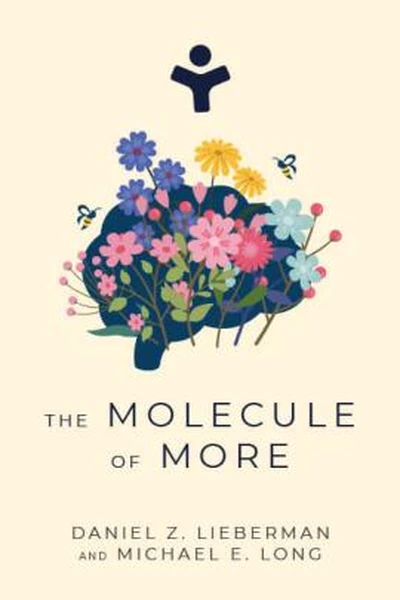
The Molecule of More: How a Single Chemical in Your Brain Drives Love, Sex, and Creativity—and Will Determine the Fate of the Human Race
Ready to Take Action?
Get the Mentorist app and turn insights like these into daily habits.