Why Some Genes Made You an Adventurer
When I withdrew from college sophomore year to travel the coast on a shoestring, friends back home thought I was crazy. They had stable routines and steady part-time jobs; they couldn’t fathom wandering from Texas to California with nothing but a backpack. But for me, the itch to explore was familiar. I felt trapped by schedule constraints and restless if I didn’t wake up in a new place every few weeks. In hindsight, I see it was more than a thrill-seeking habit. Research shows a genetic link—some of us carry a dopamine-driven variant that lowers our tolerance for routine and drives us to roam. Over the next decade, that same trait led me to live abroad, pivot careers, and launch startups. Each leap felt risky, yet my dopamine circuits rewarded me with exhilaration and rapid learning. That restless drive and a built-in sensitivity to rewards helped me adapt fast in every new city and culture. And although it’s left me craving novelty still, I’ve learned to channel it into creative projects and partnerships that balance my ever-seeking nature with steady frameworks.
You’ve traced the roots of your restless spirit—now you can guide it. Jot down the biggest leaps you’ve taken and spot those novelty-seeking signatures. Next, pick a small routine you resist and commit to tackling it all week, just to test where your dopamine thrives. Finally, buddy up with someone who prefers stability: let them shore up your plans while you keep the next adventure on the horizon. By pairing your genes’ strengths with practical guardrails—and a partner who complements your style—you’ll feel energized yet grounded on every new path.
What You'll Achieve
Harness your genetic predisposition for exploration by recognizing past patterns and pairing novelty-driven actions with stability. Expect rapid learning, creative breakthroughs, and a balanced life that honors both your adventurous spirit and need for routine.
Trace Your Novelty Roots
Recall your earliest big moves
List moments you left comfort—moving towns, changing schools, starting new jobs—to spot patterns of novelty-seeking in your life.
Gauge your comfort-zone battles
Choose one routine you resist—learning a skill or asking someone for feedback—and push through for one week to test your exploration drive.
Partner your strengths with support
If you’re wired to crave change, pair up with someone who prefers stability. Alternate leading new ventures and reinforcing routines.
Reflection Questions
- What was the last time you felt that unstoppable urge to break routine?
- How could you turn one small daily habit into a mini-adventure?
- Who in your life balances your restless drive with steady support?
Personalization Tips
- If you’ve moved cities before, think about how restless you felt in your old neighborhood and why.
- Launch a small side hobby you’ve avoided—knitting, coding, cooking—and see if your curiosity outshines your nerves.
- Team up with a friend who loves routine to co-plan an adventure: you lead the trip strategy, they handle the itinerary details.
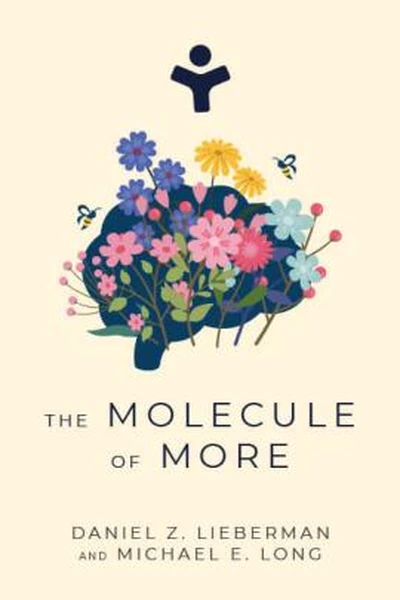
The Molecule of More: How a Single Chemical in Your Brain Drives Love, Sex, and Creativity—and Will Determine the Fate of the Human Race
Ready to Take Action?
Get the Mentorist app and turn insights like these into daily habits.