Why You Want Things You’ll Regret Buying
You’ve done it a hundred times: spotted a new gadget or a sale on your favorite shoes, clicked “buy,” and felt a rush of excitement. You imagine unboxing it, flaunting it, loving it forever. Yet when the package arrives, that thrill fades after the first glance. You settle for less satisfaction than you promised yourself. One afternoon, fed up with this merry-go-round, you started tracking your cravings in a notebook. Each urge got two ratings: how much you wanted it and how much you enjoyed it later. To your surprise, the enjoyment score was always half the desire score. It was a pattern: wanting outpaced liking, dopamine overshadowing endorphins. Then you noticed something else: the moments you craved most were when you were feeling anxious or bored. When you sat with that feeling for a few minutes instead of hitting “buy,” it passed. Science calls this wanting vs. liking—two separate circuits in your brain. Wanting is driven by anticipation; liking is driven by experience. Together, they explain why sometimes the best thing you can do is ride out the craving and let your H&N system catch up.
You’ve spotted the pattern: dopamine keeps you craving, endorphins keep you enjoying. Next time an urge hits, jot down your expectation, then let time pass and track how much you really liked it. Notice the gap. And when that craving flares, pause to check in with your mood—stress and boredom are dopamine triggers, too. By separating wanting from liking, you’ll save money, prevent regrets, and learn to savor what you already have.
What You'll Achieve
Develop a habit of distinguishing craving from true enjoyment so you’ll make smarter choices, save money, and reduce impulsive spending. You’ll learn to tolerate momentary discomfort and find greater satisfaction in the present.
Separate Wanting from Liking
Track daily desires
Every time you feel a strong urge—coffee, clothes, online games—pause and rate how much you think you’ll enjoy it on a scale of 1–10.
Compare expectation vs reality
After you follow through, rate how much you actually liked it. Note the gap between what you expected and what you experienced.
Fight boredom with reflection
When you crave a dopamine hit, ask yourself if you’re avoiding a present feeling—stress, boredom, anxiety—before indulging.
Reflection Questions
- How often do your wants outpace your actual enjoyment?
- What feelings tend to trigger your strongest cravings?
- In what ways could sitting with negative emotions help you resist impulse purchases?
Personalization Tips
- At the grocery store, note each item you reach for out of habit vs hunger and assess afterward whether it was satisfying.
- When shopping online, add items to your cart but set a 24-hour rule before checkout to see if craving fades.
- If gaming feels irresistible, try a creative hobby for 15 minutes and see if that redirects your urge.
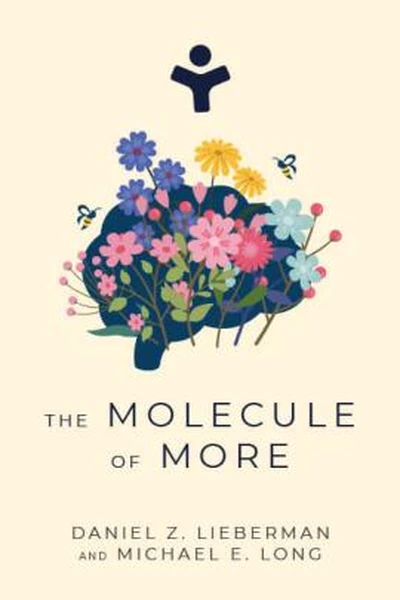
The Molecule of More: How a Single Chemical in Your Brain Drives Love, Sex, and Creativity—and Will Determine the Fate of the Human Race
Ready to Take Action?
Get the Mentorist app and turn insights like these into daily habits.