What you believe about sleep shapes how rested you feel
People talk about sleep like there’s a single magic number, but bodies aren’t that tidy. Yes, chronic sleep loss harms mood, learning, and health. And yet, on a given morning, how rested you feel is shaped not only by hours slept but also by what you expect and what you do in the first ten minutes. Expectancy effects are real: when people are told they slept well, they often report better alertness and even score higher on simple cognitive tasks.
That doesn’t mean you can think your way out of sleep debt. It means your belief about a given night can tilt your next morning. A practical way to learn your range is a safe, small experiment. Over two weeks, vary your sleep within a healthy band, log your wake‑up time, hydration, early movement, and a 1–10 alertness rating. Add one simple performance check like typing a 50‑word passage and timing it.
As you log, adjust for your chronotype—the time of day you’re naturally most alert. If you feel brightest mid‑morning, aim for a wake time that lets you get there sooner, not later, and stop copying your friend who loves 5 a.m. On shorter nights, lean on anchors that help everyone: bright light, a glass of water, and a short bout of movement. The sound of your kettle clicking on can be an anchor all by itself.
The takeaway is nuanced. Sleep matters a lot, and so do expectancy and first actions. The goal is not to sleep less, it’s to learn your productive range and manage mornings wisely. Respect safety always—never drive drowsy, never cut sleep when you’re sick—and let data from your own days guide you instead of slogans.
Before bed, set a simple intention about how you’ll feel in the morning and which anchors you’ll use. Over the next two weeks, vary your sleep between six and eight‑and‑a‑half hours when it’s safe, and each morning rate your alertness and do a quick, repeatable task to gauge performance. Notice when your body naturally feels sharp and shift your wake time toward an earlier version of that window. On shorter nights, lean on bright light, water, and brief movement rather than panic. Keep safety first and let your own log teach you. Start the log tonight.
What You'll Achieve
Internally, you reduce morning anxiety about imperfect nights and feel more in control. Externally, you identify a personal sleep–performance range and deploy morning anchors to function reliably without unsafe shortcuts.
Run a safe expectancy experiment
Set a bedtime intention
Before sleep, tell yourself how you’ll feel on wake and why: “Five and a half hours is enough for me tonight because I’ll hydrate, move, and keep it simple.” Expectancy affects perceived fatigue.
Test different sleep durations safely
Over two weeks, try 6–8.5 hours on different nights. Log wake‑up time, alertness (1–10), and performance on one simple task. Never reduce sleep if you’re ill, drowsy driving, or recovering.
Adjust to your chronotype
Notice when you naturally feel alert. Align wake time to an earlier version of that point instead of copying someone else’s schedule.
Use morning anchors to boost alertness
On shorter nights add bright light, hydration, and movement. They don’t replace sleep, they help you function.
Reflection Questions
- What story do I tell myself after short nights, and how does it affect my day?
- Which wake‑up anchors help me most within ten minutes?
- What’s my safest, most alert window across the week?
Personalization Tips
- Shift work: Keep a consistent post‑shift wind‑down and use blackout curtains; test alertness with a short reaction‑time app.
- Parenting: On nights with kid wake‑ups, run the shortest routine and add daylight exposure mid‑morning.
- Athletics: Protect longer nights before hard sessions and use the expectancy script before early travel days.
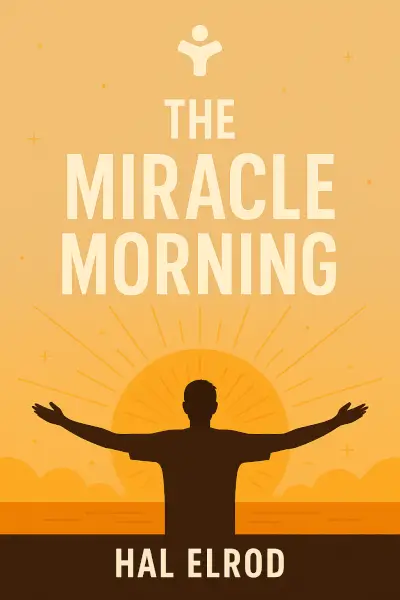
The Miracle Morning: The Not-So-Obvious Secret Guaranteed to Transform Your Life (Before 8AM)
Ready to Take Action?
Get the Mentorist app and turn insights like these into daily habits.