Spot and halt weak hires before they drain your team’s energy
In the finance division of a fast-growing retailer, the VP spotted a pattern: Every time a candidate came recommended by multiple interviewers with mild praise—“They’d be fine”—the hire underdelivered. Sales targets were met, yes, but nobody was impressed or energized by their leadership. Meanwhile, those who had an advocate who said, “They’re going to blow us away,” consistently became top performers.
To tackle this, the VP revamped the interviewing process. Each interviewer submitted their hire decision and notes privately, then met to discuss strong-yes versus weak-yes cases. In instances of unanimous but lukewarm “yeses,” the team introduced a rule: “If there’s no fire in your vote, we pause.” Instead of offering on the spot, candidates underwent an additional case study and a session with a potential direct report. HR also restructured reference checks to probe for excitement—asking previous managers, “Would you hire this person again today?”
The changes weren’t just procedural. They refocused the team on hiring people who weren’t merely competent but genuinely passionate. Within six months, attrition rates dropped by 30%, and team morale surveys indicated higher enthusiasm. The group became known for having “the best bench” in the organization.
This case underscores the danger of “weak hires”—candidates with no champion. By insisting on vocal advocates, richer hiring data, and fiery endorsements, you ensure every hire adds momentum to your culture and goals.
To build a stellar bench, codify the weak-hire rule: Every unsolicited ‘yes’ without zeal triggers a deeper check. Ask interviewers to note their excitement level privately, then convene only when sparks fly. Balance this with hard data—past wins and referrals that matter. It’s a small shift that transforms a timid hiring funnel into a pipeline of true believers.
What You'll Achieve
You’ll dodge the trap of hiring ‘fine’ candidates who keep teams average. By enforcing passionate advocacy and evidence-based checks, you’ll elevate your team’s energy, reduce turnover, and boost performance outcomes.
Avoid hires with no champion
Gather independent opinions
After interviews, have each interviewer record their own hire/no-hire decision and rationale in private. Compare notes before any group discussion to surface true reactions.
Check for ‘weak hire’ signals
If everyone says yes but no one is enthusiastic, treat this as a caution flag. Ask interviewers, “What makes you excited?” and dig for missing sparks.
Balance gut instinct and data
Review a candidate’s past results: Did they grow revenue by X%, lead projects to completion, or build teams? If concrete wins are absent, reconsider the offer.
Reflection Questions
- When was the last time you hired someone everyone called ‘fine’? How did they perform?
- Who on your team would champion the next hire with genuine excitement?
- What measurable wins must you insist on seeing in a candidate’s track record?
Personalization Tips
- A coach evaluates rookie players who make all drill scores but never energize the locker room and asks, “Who do I miss having on my practice squad?”
- A manager reviews resumes where candidates have many years on paper but no measurable projects and pushes back for real work samples.
- A director investigates service reps who meet quotas but never get customer cheers and looks for positive call-record testimonials.
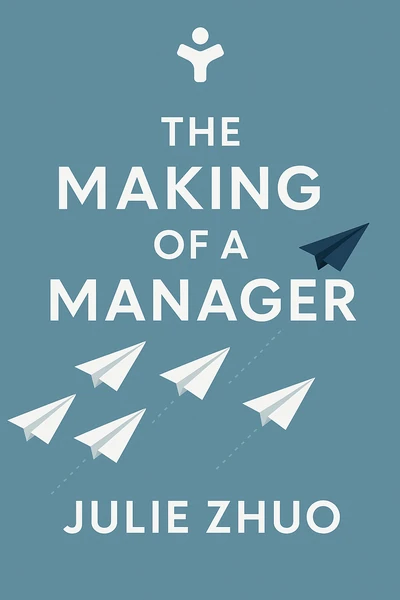
The Making of a Manager: What to Do When Everyone Looks to You
Ready to Take Action?
Get the Mentorist app and turn insights like these into daily habits.