Why people don’t work together isn’t skills but motivation and clarity
Picture two friends solving a puzzle together. One friend eagerly picks up pieces, but the other drags their feet, dipping their head and sighing. Are they missing puzzle-matching skills, or do they simply not care about finishing the picture? The first friend, trying to help, might lecture on the corner pieces’ placement only to find the other friend still disinterested.
Great collaboration starts by diagnosing the true cause of stalled progress. Robert Sutton in “High Output Management” reminds us that teams stumble not from lack of effort but from unclear goals or missing skills. Perhaps the runner on your relay team doesn’t know the baton rules, or the coder in your project management app group hasn’t learned a critical library. Alternatively, maybe the cause isn’t skill at all but a misalignment in motivation. The runner dreads the limelight, or the coder would rather work on 3D modeling.
Asking simple, direct questions—‘What outcome matters most to you?’ or ‘Which step do you feel unprepared for?’—brings hidden barriers to light. Clarity on what victory looks like, paired with honest dialogue about who can and wants to take the baton, resets the race.
When you address the true barrier—be it technical coaching or co-creating motivating targets—you unlock the team’s potential. Clarity, not just command, determines whether teammates run with purpose or wander off the track.
Next time progress halts, pause and ask, “What’s blocking us?” Listen closely as your teammate describes where they feel stuck. Then restate your joint definition of success so you’re aligned. Finally, decide together whether to sharpen skills through a quick coaching session or hand off the challenge to someone with more passion. Keep this diagnosis ritual short but consistent—you’ll find it transforms drudgery into momentum.
What You'll Achieve
You’ll develop a practice of diagnosing root causes—skill gaps or motivational misfires—so you can tailor solutions that drive team outcomes forward. Expect clearer roles, faster problem solving, and stronger collective momentum.
Pinpoint the real barrier
Ask why or why not
If a teammate’s work isn’t up to par, ask “What’s standing in your way of great work?” This unpacks whether the issue is skill-based or motivational.
Clarify success measures
Describe exactly what good looks like. Compare current results to that snapshot, so it’s obvious when something’s off or on track.
Identify growth or hire
If it’s a skill gap, coach your teammate or recruit someone stronger in that area. If it’s motivation, jointly explore bigger goals or different roles.
Reflection Questions
- When was the last time you blamed lack of skill when the real issue was unclear goals?
- What current project could benefit from a quick ‘why is this stuck?’ meeting?
- How can you ensure your team can openly share motivational or technical hurdles?
Personalization Tips
- At a café, you ask your barista why a latte didn’t match your usual order—perhaps she lacks your preferred roast notes or she’s running low on staff.
- A coach asks a teenager why she’s skipping practice—maybe she’s unsure of how to improve her technique or she’s lost interest in that sport.
- A parent checks with a child on why homework is late—maybe math concepts feel too hard or the child isn’t excited about the subject.
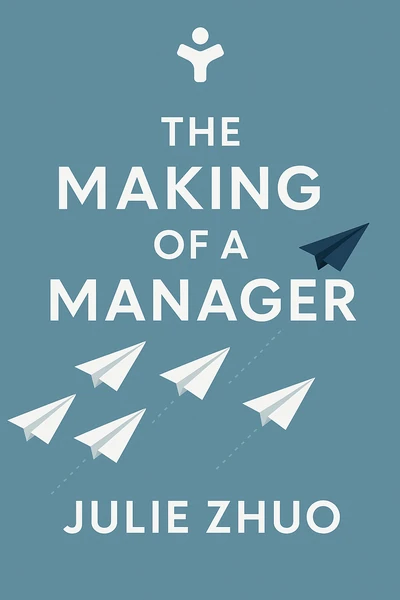
The Making of a Manager: What to Do When Everyone Looks to You
Ready to Take Action?
Get the Mentorist app and turn insights like these into daily habits.