Timing the Market Leaves You with Empty Pockets
You check your phone at 6:05 AM, blinking at market alerts: “Stocks plunge on inflation scare,” “Tech soars on AI buzz.” Each ping tempts you to trade. Within the month, your portfolio has churned more than once, and a 2% market swing has cost you untold fees and taxes.
Contrast that with your friend Mia, who set up an automated $200 monthly drip into a total market index fund. She doesn’t even look at the daily news—most of her messages are vacation photos and grocery lists anyway. Last quarter, she discovered she outperformed you by nearly 5%.
Behavioral science calls this the “action bias”: when in doubt, do something. But in investing, doing less—just standing pat—beats frantic trading every time. Major studies show investors who trade more frequently underperform the overall market by as much as 3% per year.
By fixing a five-year minimum hold and automating contributions, you stop paying for timing mistakes. And you reclaim peace of mind, freed from the daily noise of headlines and volatility measurements.
You’re making a promise now: you won’t sell your index fund for at least five years. Schedule monthly transfers of any spare cash into that same fund, then mute all market alert apps on your phone. Watch as your balance grows, quietly outperforming frantic traders who chase every pitch and dip. Give it a try tonight.
What You'll Achieve
You’ll replace anxiety-driven trades with calm, automated investing, boosting net returns and improving emotional well-being.
Fix Your Eyes on the Long Term
Assess your trading history.
Pull up your last two-year trades and note each buy and sell. How many moves were based on headlines rather than fundamentals?
Set a minimum hold period.
Commit to holding each fund for at least five years, regardless of market gyrations, and document this rule in writing.
Automate contributions.
Arrange automatic monthly purchases into your chosen index fund to remove emotional timing from your decisions.
Reflection Questions
- What emotions trigger my urge to trade?
- How might my returns improve if I stopped trading for one year?
- What one rule can I set today to prevent impulsive selling?
Personalization Tips
- Wealth building: Use automatic monthly transfers to a total market index fund instead of chasing hot tech stocks.
- Retirement: In your IRA, leave contributions on autopilot for decades instead of shifting to cash when you hear a warning on TV.
- College fund: For your child’s 529 plan, fix contributions into a target-date index portfolio rather than reallocating each semester.
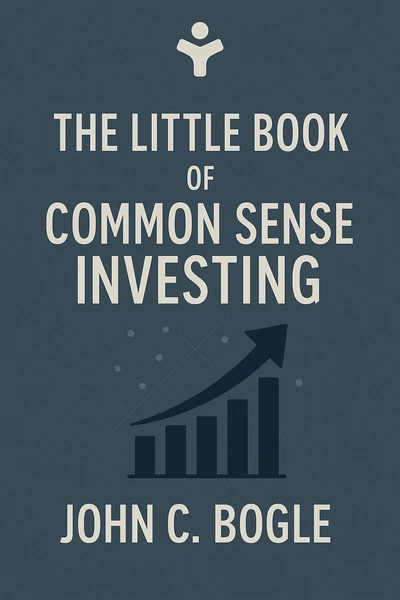
The Little Book of Common Sense Investing: The Only Way to Guarantee Your Fair Share of Stock Market Returns
Ready to Take Action?
Get the Mentorist app and turn insights like these into daily habits.