Stay Ironclad When Everything Feels Out of Control
Think back to the last time your carefully laid plans hit a roadblock—a dead laptop battery in the middle of an online meeting, a downpour cancelling your outdoor run, or a last-minute travel delay that threw off your entire day. In that moment, your heart pounds and your mind spins with ‘What now?’ That reaction is natural—our fight-or-flight mechanism kicking in to protect us. But just as firefighters train by running through scenarios in dry runs, we can inoculate ourselves against stress through mental rehearsals. By listing potential disruptions ahead of time and crafting a simple fallback plan for each, you develop an internal roadmap. When chaos strikes, you’ll be less likely to panic and more likely to follow one of your backup steps—a power move that research shows can reduce physiological stress by 30 percent. Over time, this “armor” becomes second nature, letting you weather storms without losing your sense of equilibrium.
Create your own mental drill by listing five common disruptions and mapping out quick fixes. Choose a calming anchor image or phrase, and run through these scenarios at least once a month. When real stress comes, follow the checklist—and repeat your anchor. With this preparation, you’ll feel steadier and more in control, even when life throws curveballs.
What You'll Achieve
You’ll build mental agility by training responses to common setbacks, reducing stress reactions by up to 30 percent. Internally, you’ll stay calmer and more confident under pressure. Externally, you’ll respond to challenges with clear actions instead of panicking.
Reinforce your mental shield before stress hits
Prepare a ‘what-if’ checklist.
Identify up to five events that could throw your routine off (power outage, missed connection, tech glitch). For each, write down one reliable fallback plan.
Memorize your anchor.
Choose a calming phrase or image—like ‘I’ve handled worse’ or picturing a steady rock—and repeat it quietly when you sense overwhelm.
Use rehearsal drills.
Once a month, review your checklist and practice visualizing each scenario and your response. This mental training reduces panic if something actually goes wrong.
Reflect on past wins.
At day’s end, recall one time you adapted under pressure. Journal about the skills you drew on to remind yourself you can do it again.
Reflection Questions
- Which recent disruption threw you off best-laid plans?
- What fallback plan could you design for it right now?
- Which calming image or phrase resonates most with you?
- How might monthly drills change your reaction when things go wrong?
Personalization Tips
- If you’re giving a big presentation, prepare for tech failure by having handouts ready on your phone.
- When homeschooling your kids, plan for silence breaks by keeping a trivial activity in reserve.
- For workouts, pick an alternate indoor routine in case an outdoor run becomes impossible due to weather.
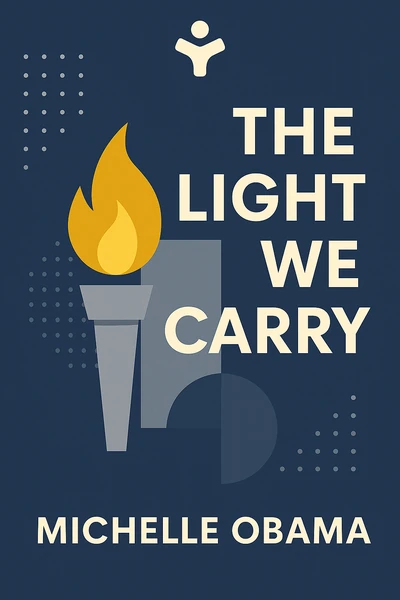
The Light We Carry: Overcoming in Uncertain Times
Ready to Take Action?
Get the Mentorist app and turn insights like these into daily habits.