Why Fear Hijacks Decisions and How to Regain Control
Fear is a natural alarm system, wired into our brains to keep us safe from real predators. Yet in modern life, that alarm often goes off when we face minor stressors—like your first day at a new job or pitching an idea in a meeting. What’s really happening is your brain confusing novelty with danger. It’s lumping the unknown with actual threats. The good news is you can reprogram that response. By naming the feeling—‘This is anxiety’—you engage your prefrontal cortex, the part of your brain that plans and reasons, rather than letting the amygdala run wild. Next, calmly ask yourself whether there’s real evidence of a threat or simply a leap into the unfamiliar. When you see the truth, you drain the power from the hypothesis. Research shows that labeling emotions can reduce limbic system activity by up to 20 percent, effectively dampening the biological alarm. From there, gathering a few facts—like writing pros and cons—and then taking one rational step forward helps you reclaim your calm and move beyond indecision.
When fear tightens its grip, start by labeling it and asking yourself whether you’re truly at risk or only facing the unknown. Spend two minutes gathering objective data—key details and evidence—before deciding on one straightforward next step you can take. When you follow this sequence, you’ll interrupt your fight-or-flight reaction and shift into a more rational, problem-solving mindset. Try it next time your nerves mislead you.
What You'll Achieve
You’ll reduce panic, make clearer choices, and avoid needless avoidance by learning to distinguish genuine threats from imagined ones. Over time, you’ll build a resilient mindset and take bolder, more precise actions under stress.
Pause to decode your fear response
Label the emotion.
The next time you feel jittery, pause and name it. Say, ‘This is fear’ or ‘This is anxiety.’ Putting a label on the feeling helps your brain switch from autopilot to conscious mode.
Ask the vital question.
Check yourself: ‘Am I in actual danger, or is this newness I’m reacting to?’ Contrast past facts (like thunder being only air) with your current assumptions to separate real threats from imagined ones.
Gather data quietly.
Spend two minutes gathering evidence. Make a quick pros-and-cons list or talk out loud to a trusted friend. This simple step grounds you in reality and tames runaway worry.
Choose your next move.
Decide on one manageable action—sending an email, making a phone call, or taking a short walk. Action often serves as the best remedy for paralyzing fear.
Reflection Questions
- When was the last time you felt intense fear over something harmless?
- What specific label could you give your last emotional reaction?
- Which two facts would you list now to challenge your worry?
- What one small action could you take next time to break the freeze?
Personalization Tips
- Before a job interview, note that your sweaty palms are nerves, not a sign you’ll fail.
- If you feel paralyzed at networking events, remind yourself it’s just meeting new people, not a threat to your core self.
- When starting a new workout, recall that muscle burn is normal, not a sign you can’t finish.
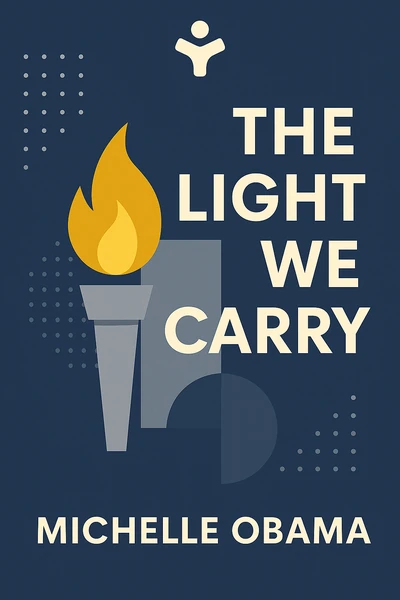
The Light We Carry: Overcoming in Uncertain Times
Ready to Take Action?
Get the Mentorist app and turn insights like these into daily habits.