Politely Decline by Differentiating Opinions and Feelings
Picture Sandy’s phone lighting up with a plea from a coworker to join a weekend hackathon. She’s already booked. She pauses, sensing guilt quicken her pulse. She remembers the advice to differentiate feelings from opinions. Her coworker’s request isn’t about personal hurt feelings if she says no—it’s about a difference of belief in team building. That gives Sandy room to craft a neutral refusal.
She types: “Thanks so much for thinking of me, I know this hackathon matters to you, but I simply don’t share that perspective on weekend coding sessions. I appreciate your invite and hope it’s a great success.” With a single send, she avoids guilt and preserves the relationship.
This approach, drawn from the NotSorry Method, uses a linguistic frame called the “Language of Opinion.” It’s rooted in conflict-avoidance research showing that emphasizing belief differences reduces defensiveness. You validate the person’s feelings while limiting your own caring to what truly matters.
Imagine your next refusal: recognize whether you’re afraid of hurting feelings or just disagreeing. Begin with “I understand your view,” then say “I simply don’t share that perspective” instead of apologies or excuses. Finish with a friendly closing like “I appreciate you thinking of me.” This opinion-focused approach keeps you honest and polite without guilt. Try it tomorrow.
What You'll Achieve
You’ll internalize a mindset that distinguishes between emotional harm and opinion differences, reducing social anxiety. Externally, you’ll master polite refusals that protect relationships while honoring your boundaries.
Frame No as a Matter of Opinion
Identify the request type
When someone asks a favor, note if it’s based on their belief or an emotional need.
Check impact on feelings
Ask yourself whether your refusal will actually hurt their feelings or just challenge their opinion.
Use neutral language
Start with “I understand your view, but…” to acknowledge their opinion without agreement.
Emphasize difference of opinion
Say “I simply don’t share that perspective” rather than “I don’t care.”
Offer a brief positive closing
End with a friendly note—“I appreciate you thinking of me”—to preserve goodwill.
Reflection Questions
- When have I apologized unnecessarily?
- Which refusals felt more like opinion statements?
- How can I reframe my next “no” as a difference of opinion?
Personalization Tips
- When a colleague pushes an idea you dislike, respond: “I respect your enthusiasm, but I see it differently.”
- If a friend insists you join a religious ritual, say: “I value your beliefs, though I feel differently.”
- With a neighbor’s bake-sale request, explain: “I prefer store-bought treats, but I hope it goes well.”
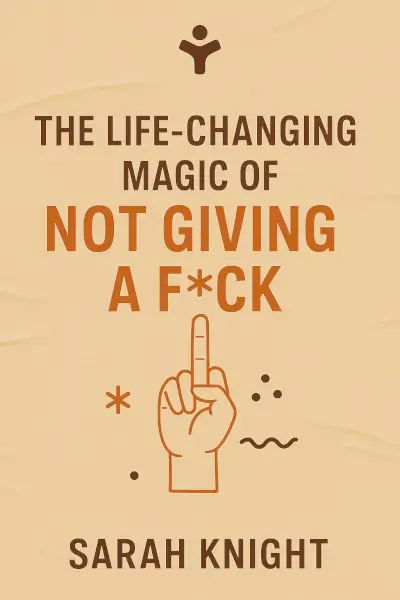
The Life-Changing Magic of Not Giving a F*ck: How to Stop Spending Time You Don't Have with People You Don't Like Doing Things You Don't Want to Do (A No F*cks Given Guide)
Ready to Take Action?
Get the Mentorist app and turn insights like these into daily habits.