He walked on the moon and never once mentioned it at dinner
At a private dinner in Dallas, Admiral William H. McRaven spent an entire evening seated beside an elderly man named Charlie. Charlie asked about McRaven's children, his forty-year marriage, his son's career in the Air Force. When McRaven asked what Charlie had flown during his own years in the service, Charlie brushed it off: a little bit of this and a little bit of that. By dessert, McRaven felt he had made a genuine friend, and he still didn't know the man's last name.
Walking out afterward, football legend Roger Staubach caught up with him. Can you imagine what it must have been like, Staubach said, walking on the moon? McRaven had just spent a whole dinner next to General Charles Duke, the youngest man ever to walk on the lunar surface, and Duke had not mentioned it once.
McRaven later learned that Duke's humility had not come easily. After Apollo 16 made him a national hero, fame strained his marriage until his wife's Christian faith, and then his own, reshaped how he saw his accomplishments. Compared to the vastness of the universe, Duke came to believe, even walking on the moon was small.
McRaven draws out a distinction worth sitting with: humility is not the same as low self-esteem or false modesty. It is, in his words, a recognition of the limits of one's own intellect, understanding, and power, set against something larger, whether that is the universe, other people's struggles, or simply how much any of us still doesn't know. He notes that this idea shows up, almost word for word, across traditions that otherwise disagree about everything else: the Quran's servants of the merciful walking the earth in humility, the Proverb that ties humility to wisdom, Confucius calling it the foundation of virtue, the Buddha's warning that you learn nothing if you think you're always right.
What made Duke easy to sit next to for an hour, McRaven suggests, was exactly this quality. A humble person is curious about you instead of eager to be admired by you, and that, more than any achievement, is what draws people close rather than pushing them away.
Pick your next conversation, a coffee with a friend, a work call, a family dinner, and set yourself a private rule: ask at least three real questions about the other person before you mention anything you have accomplished. If you catch yourself steering the talk back to your own achievements, let it go and ask another question instead. At the end of the day, take thirty seconds to name one thing you still don't understand, about your work, your relationships, or the wider world, rather than one thing you're proud of. Do this often enough and you may notice, the way Charlie Duke's dinner companions did, that people leave your company feeling more interesting than when they arrived.
What You'll Achieve
The listener learns to treat humility not as false modesty but as an accurate sense of scale, one that makes them more curious about others and less compelled to lead with their own accomplishments, deepening relationships as a result.
How to practice humility in conversation
*Ask three questions before you share one achievement.*
In your next conversation, deliberately ask about the other person's life, work, or interests before mentioning anything of your own.
*Redirect when you notice yourself steering toward praise.*
If a conversation drifts toward your accomplishments, gently turn it back with another question.
*Name one thing you don't understand, daily.*
End each day by identifying something, in your field or your relationships, that you still haven't figured out.
Reflection Questions
- When did you last spend a whole conversation more interested in someone else than in being noticed yourself?
- What achievement of yours do you reach for most often when you want to be respected, and what would it feel like to leave it unmentioned?
- What is something vast, the universe, another person's grief, a body of knowledge, that could put your own certainty in perspective this week?
Personalization Tips
- A senior executive in a meeting asks the newest hire for their view before offering their own, even on a topic they know well.
- A parent who ran a marathon lets their child talk about their school project for the whole car ride home without bringing it up.
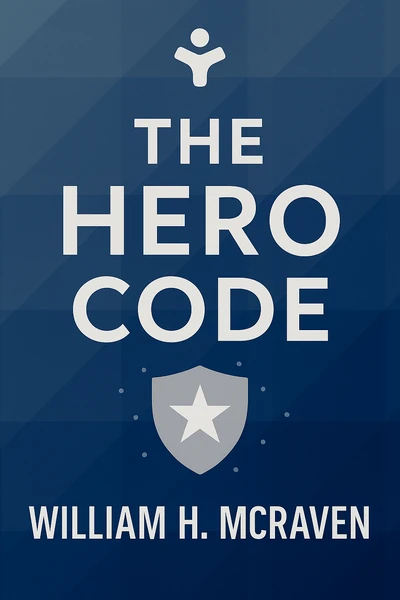
The Hero Code: Lessons Learned from Lives Well Lived
Ready to Take Action?
Get the Mentorist app and turn insights like these into daily habits.