A Harry Potter book she was too embarrassed to buy for three days
Gretchen Rubin was elected to the Council on Foreign Relations around the same time she started a small book group devoted entirely to children's literature. One of these was, by any conventional measure, the more prestigious achievement. The other was the one that actually made her happy and gave her new friends. Which group brought me more pleasure, she asked herself afterward. Kidlit.
She'd spent years quietly hiding this particular passion. She loved Tolkien, loved the moral clarity of stories where good visibly triumphs over evil, loved books she felt were somehow not serious enough for a grown woman with a law degree. The embarrassment ran deep enough that when a new Harry Potter book came out, she didn't buy it for several days, pretending even to herself that she didn't care. It took a lunch with a literary agent, who confessed her own obsession with the series, for Rubin to admit she felt the same way, and to realize she likely knew several other adults hiding the same enthusiasm, simply because none of them had said so out loud.
This became one application of what she called her First Commandment: Be Gretchen. Not the version of herself she wished existed, who enjoyed pedicures, chess, and hot new restaurants, but the actual person who found genuine energy in rereading The Phantom Tollbooth for the fifteenth time. She developed a rough test for telling real fun from performed fun: did she look forward to it, did it energize her rather than drain her, and did she feel free of guilt afterward. Things that failed the test, no matter how sophisticated they looked from outside, she let go of. Things that passed, no matter how unglamorous, she stopped apologizing for.
There was a cost to this honesty, which she didn't pretend away. Accepting what actually interested her meant accepting a long list of things she would never be: not a jazz club regular, not an adventurous eater, not someone with a chic evening life. But the alternative, chasing fun that belonged to other people, had never once made her happier, only more tired and more convinced that something was wrong with her for not enjoying it.
Start by making an honest, unglamorous list of what you actually look forward to doing, separate from the list of things you feel you ought to enjoy. Run each item on both lists through a simple check: does it energize you rather than drain you, and do you feel any guilt about it afterward. Think back to something you loved as a child that you quietly dropped because it seemed too young or too uncool for who you're supposed to be now, and consider picking it back up. Then say the unglamorous interest out loud to one other person this week, and notice how often they turn out to share it. Let go, without apology, of the version of fun you've been performing for an audience that was never actually watching.
What You'll Achieve
The listener stops spending time and money on activities chosen to look interesting or sophisticated, and starts identifying and defending the things that genuinely energize them, even when those things feel unglamorous or embarrassing to admit.
Find out what's actually fun for you
List what you enjoy versus what you wish you enjoyed
Be honest about the gap; wishing you loved opera doesn't mean you do.
Run her three-part test
Ask whether you look forward to it, whether it energizes rather than drains you, and whether you feel no guilt afterward.
Revisit what you loved as a child
It's often a more reliable guide than your adult idea of sophistication.
Give yourself permission out loud
Say the unglamorous interest to another person, and notice who turns out to share it.
Reflection Questions
- What's something you enjoyed as a child that you now feel too grown up or too serious to admit you miss?
- Is there an activity in your calendar right now that you keep because of how it looks, not how it feels?
- Who in your life might share an interest you've been hiding, if you just said it out loud?
Personalization Tips
- Someone who forces themselves to attend gallery openings because it seems cultured might get more genuine pleasure from a weekly puzzle night, if they let themselves admit it.
- A person who feels obligated to keep season tickets to a sport they don't follow could trade that money and time for the hobby they actually look forward to.
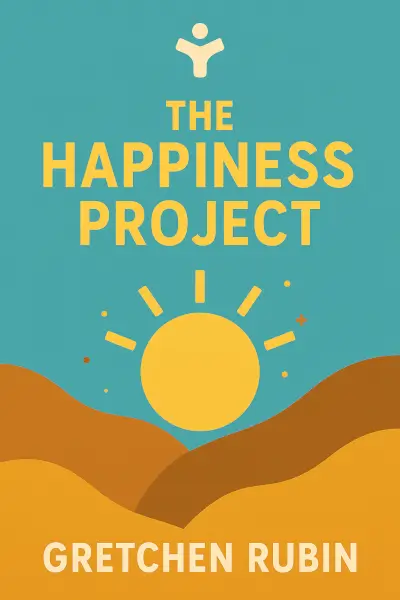
The Happiness Project: Or Why I Spent a Year Trying to Sing in the Morning, Clean My Closets, Fight Right, Read Aristotle, and Generally Have More Fun
Ready to Take Action?
Get the Mentorist app and turn insights like these into daily habits.