The one-sentence formula it took Gretchen Rubin six months to find
On an ordinary April morning, staring out the rain-streaked window of a New York City bus, Gretchen Rubin watched a woman across the street juggle an umbrella, a phone and a stroller, and felt a jolt of recognition. That's me, she thought. She had a husband she loved, two young daughters, work she'd chosen for herself, and still she snapped at the cable guy, sulked over small setbacks, and wondered, half-seriously, is this really it. She wasn't depressed. She was, in her words, suffering from midlife malaise, a nagging sense that she wasn't appreciating a life she knew was good. That morning she decided to spend a year deliberately trying to get happier, and she spent the following months reading everyone from Aristotle to modern positive psychologists before she let herself start.
For a long time, though, she couldn't settle on what she was actually chasing. Then, one afternoon on the subway, reading a dense sentence about pleasant affect and life satisfaction being separate things, it clicked. Happiness and unhappiness aren't opposite ends of one dial. You can feel plenty of joy and still carry a load of guilt or anger at the same time, because they rise and fall on their own tracks.
Out of that, Rubin built what she called the First Splendid Truth: to be happy, you need to think about feeling good, feeling bad, and feeling right, in an atmosphere of growth. Feeling good means deliberately increasing joy, gratitude and fun. Feeling bad means actively removing guilt, envy and irritation, rather than just hoping they fade. Feeling right is subtler: it's the sense that you're living the life that's actually yours, in your work, your relationships, your daily choices, not a life borrowed from someone else's expectations. And none of it holds without growth, because people adapt to almost anything, good or bad, and a new car or a new job title stops feeling exciting within weeks. What keeps working is the process of stretching toward something, which is why training for a race can bring more lasting happiness than a static comfortable routine ever will.
Start tonight by writing down three moments from today that felt good, and notice how small most of them probably are. Tomorrow, catch one recurring source of guilt or irritation, something you complain about often, and ask what single change would remove it rather than just venting about it again. Sometime this week, sit with the harder question of whether your work and your days actually fit who you are, not who you think you're supposed to be, and be honest even if the answer is uncomfortable. Then pick one thing you could get a little better at over the coming month, not to finish it, but to keep the sense of moving forward alive, because that steady stretch toward something is where a surprising share of your happiness is quietly stored.
What You'll Achieve
The listener stops treating happiness as one vague mood to chase and starts checking three separate dials: what's adding good feeling, what's adding bad feeling, and whether their life fits who they actually are, while also making sure they're stretching toward something. Externally, this shows up as fewer vague complaints and more specific, fixable ones.
Apply the First Splendid Truth to your week
List what's making you feel good
Name the specific moments of joy, connection or fun you've had this week, however small, so you know what to protect and repeat.
List what's making you feel bad
Write down the guilt, irritation or anger that keeps recurring, and pick one source you could actually remove.
Ask if you're feeling right
Check whether your work, home, and daily choices match who you actually are, not who you think you should be.
Add one deliberate stretch
Take on something slightly difficult on purpose, since growth toward a goal turns out to matter as much as reaching it.
Reflection Questions
- What is one small thing that reliably makes you feel good, that you've stopped doing on purpose?
- Is there a recurring bad feeling in your week that you've never actually tried to trace to its source?
- Where in your life do you feel like you're performing a role rather than living as yourself?
- What are you currently stretching toward, even in a small way, and how would you feel if that stopped?
Personalization Tips
- A teacher who dreads Sunday nights might notice the 'feeling bad' is really dread about one specific class, not the whole job, and fix that one class.
- Someone renovating a kitchen might realize the growth they're craving isn't the finished room but the weekly progress of choosing tile and watching it come together.
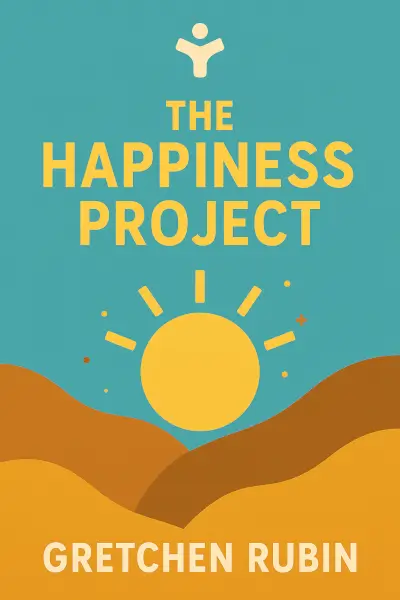
The Happiness Project: Or Why I Spent a Year Trying to Sing in the Morning, Clean My Closets, Fight Right, Read Aristotle, and Generally Have More Fun
Ready to Take Action?
Get the Mentorist app and turn insights like these into daily habits.