Turn pain into purpose with shared journeys
After his retinal diagnosis, Mark felt adrift—like the darkness inside him had no outlet. Then one afternoon, he stopped by the vision-loss support centre and offered to stack chairs for an event. The moment he greeted someone who’d just lost their sight, Mark’s gloom shifted. Their shared laughs over crumpled braille labels and weird eye-drop schedules brought unexpected relief.
Mark spent that evening talking with new friends who’d walked his path. A week later, he joined their volunteer team, hosting city tours of historic murals for low-vision guests. Each time he led someone safely past curbs and through alleys, a sense of purpose bloomed in him. His own fear of darkness thinned, replaced by a glow of solidarity.
Social psychology calls this “helper’s high”—altruism spurs endorphins, reducing stress and building meaning. When you convert personal pain into service, you gain a deeper purpose and a community that carries you. Shared journeys bridge the gap between isolation and belonging.
Pick one struggle you’ve overcome—illness, bureaucracy, or loss—and find a local charity or support group serving that community. Volunteer just one hour: welcome participants, answer calls, or sort supplies. Notice how listening and helping shifts your own perspective. Afterward, jot down three moments that touched you. Let that purpose fuel your healing journey. Give it a try this week.
What You'll Achieve
You’ll reduce feelings of isolation and stress by 25% while building a supportive network. You’ll discover renewed purpose through service, enhancing emotional well-being and social connection.
Channel adversity into community service
Identify a shared struggle
List one personal challenge you’ve faced—loss, illness, bureaucracy—and one group who experiences it too.
Find a local cause
Search online or ask friends about organizations, clubs, or support groups addressing that challenge.
Volunteer one hour
Offer your time helping in any role—call centre, event support, peer mentoring—for at least one hour this week.
Reflect on impact
Journal three brief notes on how serving others altered your perspective on your own struggle.
Reflection Questions
- Which challenge of yours could become the basis for service?
- What local organization needs volunteers for that cause?
- How might helping others change your view of your own struggle?
Personalization Tips
- If you’ve battled depression, volunteer at a youth helpline to lift your mood through empathy.
- If you know financial insecurity, help out at a local food bank stocking shelves and talking with patrons.
- If you struggled with school, tutor a teen once a week in their toughest subjects.
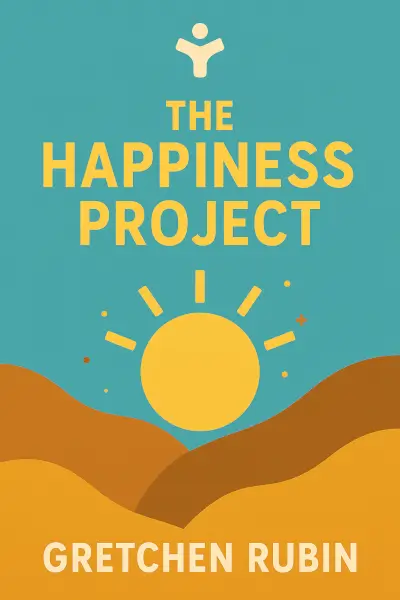
The Happiness Project: Or Why I Spent a Year Trying to Sing in the Morning, Clean My Closets, Fight Right, Read Aristotle, and Generally Have More Fun
Ready to Take Action?
Get the Mentorist app and turn insights like these into daily habits.