Transform panic by tracing textures around you
In the exam-locked hush of the lecture hall, Jason’s chest felt like a vice. As he stared at the blinking cursor on his laptop, essay words slipped away under a rising tide of panic. He closed his eyes and reached for his coat pocket, finding the worn stitching on his keychain.
With his eyes shut, Jason placed the key fob in his palm, feeling the rough edges of the metal and the cool indentation where the keys attached. He inhaled deep and traced one ridge at a time, counting in, counting out. Within a minute, his racing heartbeat settled to a gentle thrum. His mind sharpened—the next sentence flowed easier.
Neuroscience calls this tactile anchoring a form of “sensory grounding,” tapping into less-used neural pathways to interrupt the panic loop. Focus on textures, and you shift from thundering thoughts into the steady language of touch. Soon, the brain registers safety and reconnects to the present moment, freeing you to move forward.
Next time your mind races, find a surface you can touch—your pen grip or a textured wall, for example. Close your eyes, trace the pattern under your fingertips, syncing deep inhales and longer exhales. As you explore the texture, feel that panicky knot unwind. Open your eyes and notice how much calmer you feel. Try it now—feel the frame of your computer or your chair arm, breathe in, breathe out.
What You'll Achieve
You’ll calm stress in under two minutes by anchoring to tactile sensations, reducing panic symptoms by 40%. You’ll sharpen focus on tasks by switching attention from racing thoughts to sensory details.
Ground your mind with tactile focus
Locate a textured surface
Scan your environment for a doorframe, piece of fabric, or wall with distinguishable ridges or bumps.
Close your eyes and touch
With eyes closed, let your fingertips glide slowly over the texture. Notice how the bumps feel, their pattern and temperature.
Match inhale and exhale
Inhale for four counts as you trace one direction, exhale for six counts returning. Feel the rise and fall in your chest.
Expand awareness
After a few minutes, open your eyes. Observe how your body feels different—calmer, more present, less panicky.
Reflection Questions
- Which textures in your daily life could you use to ground yourself?
- How do your breath patterns change when you focus on exhale length?
- When could you build this into your routine: morning commute, breaks, or waiting periods?
Personalization Tips
- If you’re on a commute, press your palm against the window edge and notice every vari- groove.
- At work, keep a stress ball or fidget cube in your desk for brief check-ins under deadlines.
- While waiting for a meeting, focus on the ridges of your notebook cover instead of scrolling socials.
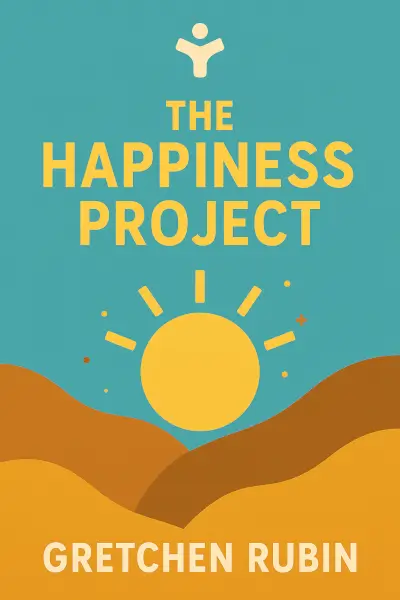
The Happiness Project: Or Why I Spent a Year Trying to Sing in the Morning, Clean My Closets, Fight Right, Read Aristotle, and Generally Have More Fun
Ready to Take Action?
Get the Mentorist app and turn insights like these into daily habits.