Invest in people first to build resilience, health, and results
A software team hit a rough patch when a release slipped twice in a quarter. Late nights became normal, tempers got short, and people stopped asking for help. The manager noticed that when she walked the floor, the usual laughter had gone quiet. She set up two small changes: a daily, specific “praise ping” to one person and a four‑minute end‑of‑standup ritual where someone named a teammate’s help. She also booked a 15‑minute no‑agenda walk with her boss and with each direct report over two weeks.
Within ten days, mood and pace changed. A senior engineer mentioned that a short thank‑you message at 8:45 a.m. made him stop doom‑scrolling and start faster. A junior developer said the shout‑outs helped her learn who to ask for what. During walks, a tester shared that he was caring for a parent and needed flexible hours for a month. The team made the shift, and his bug reports improved because he wasn’t hiding.
Metrics moved with morale. Cycle time dropped, incident count fell, and the next release landed on time. More importantly, people felt safer raising risks earlier. “I look forward to that 60 seconds at the end,” one teammate said. “It reminds me I’m not alone in this sprint.”
This is social investment in practice. Strong ties reduce cortisol, speed cardiovascular recovery after stress, and predict longer, healthier lives. In organizations, relationships with managers explain productivity and retention more than perks do. High‑quality connections, even brief ones, increase energy and learning behavior. When pressure rises, invest in people first. The work follows.
Tomorrow morning, send a short, specific thank‑you to one person, then pick a buddy and trade a five‑minute voice note twice a week where you share a win, a challenge, and an ask. If you manage or are managed, book a 15‑minute walk-and-talk this week to learn one personal detail and one priority, and end your next team meeting with a quick shout‑out or success story. You’ll feel the lift right away, and the metrics will follow. Put the first two invites on your calendar now. Give it a try tonight.
What You'll Achieve
Internally, greater belonging and reduced stress. Externally, faster problem-solving, fewer errors, better retention, and more reliable delivery under pressure.
Schedule one connection that matters
Make a daily praise ping
Send a short, specific thank‑you or recognition message to one person each weekday morning. Specific beats generic for motivation and trust.
Start a two‑person check‑in
Pick a buddy and trade a five‑minute voice note twice a week: one win, one challenge, one ask. Social support buffers stress and spreads solutions.
Strengthen the vertical couple
If you manage or are managed, schedule a 15‑minute agenda‑less walk-and-talk this week. Use it to learn one personal detail and one priority.
Build a tiny team ritual
End meetings with one quick shout‑out or a success story. High‑quality connections form quickly and improve performance.
Reflection Questions
- Which relationship, if strengthened, would make your work week easier?
- What small ritual could your team adopt in five minutes or less?
- How will you know social investment is paying off—what metric will you watch?
Personalization Tips
- Parenting: Start a bedtime gratitude with your child and trade one high and one low.
- Healthcare: Huddle for four minutes before the shift and close with one appreciation.
- Remote work: Open a meeting with a 60‑second “what made your job easier this week?” round.
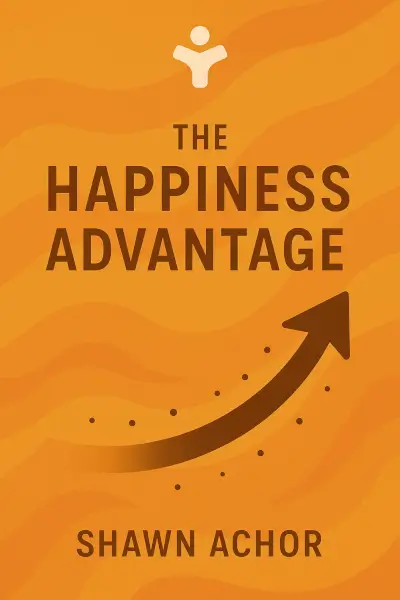
The Happiness Advantage: The Seven Principles of Positive Psychology That Fuel Success and Performance at Work
Ready to Take Action?
Get the Mentorist app and turn insights like these into daily habits.