Change your fulcrum to move more than your effort ever could
Mindset doesn’t change facts, but it changes the meaning of those facts and your actions in response. When people expect a positive outcome, their brains prepare for it. In classic experiments, beliefs altered bodies: sham surgeries reduced knee pain, harmless leaves produced rashes when labeled “poison ivy,” and hotel housekeepers who were told their work “counted as exercise” lost weight despite no change in workload. Expectancy isn’t magic, it’s a mechanism. When you expect a path to work, your attention looks for the next foothold, your body recruits the right systems, and your behavior follows through.
Framing also reshapes daily work. People who define their role as a calling—service that matters, strengths put to use—work harder, last longer, and feel healthier than those who see the same tasks as just a job. This isn’t about pretending or sugarcoating. It’s about job crafting, the small adjustments that connect routine tasks to real human outcomes. The custodian who sees a sterile room as saving lives shows up differently than the one who sees a mop and a checklist.
Belief is contagious. In schools and workplaces, leaders’ expectations subtly shape effort and results. The Pygmalion effect showed that when teachers were (wrongly) told certain students would bloom, those students later did, because the teachers gave more time, better feedback, and warmer attention. We do the same in offices and on teams without noticing. A single sentence of sincere confidence can expand what someone tries next.
There’s a boundary here. Optimism should be grounded. A cape won’t make you fly, and confidence can’t replace competence. But a well-placed expectation, a meaningful frame, and a belief voiced aloud move the fulcrum of the lever. With the same effort, you lift more because the mind is aligned with the work. The science behind this spans expectancy theory, placebo research, social priming, and the study of callings—all converging on a simple truth: how you frame the work changes how well the work gets done.
Take ten minutes to rename three routine tasks using language of impact, then pick one to share with your team so the purpose is felt, not assumed. Before a tough block of work, write one sentence about why you’re likely to succeed based on a real strength, and read it out loud. Tell a teammate specifically what you believe they can do and why, then watch for the small changes in how they engage. Finally, build a tiny ritual that tells your brain it’s go time. It’s not superstition, it’s a signal. Try these for a week and notice where the lever starts to bite. Give it a try tonight.
What You'll Achieve
Internally, a stronger sense of meaning and confidence grounded in evidence. Externally, higher effort quality, better persistence, and measurable improvements in task outcomes and team engagement.
Rewrite how you frame the task
Swap job for calling language
Rewrite three routine tasks using language of impact and meaning. For example, “entering data” becomes “keeping patient histories accurate so clinicians can act fast.”
Preload a positive expectation
Before a challenge, write one reason you are likely to succeed based on a real strength (e.g., preparation, past effort, helpful teammate). Expectancy shapes attention and behavior.
Broadcast belief in others
Tell a teammate specifically what you believe they can do and why. Small, credible expressions of belief spark the Pygmalion Effect and raise performance.
Set one placebo-like ritual
Create a harmless prep ritual that signals “I’m ready”—a particular playlist, a short stretch, or a phrase. Your brain links the ritual to performance and follows suit.
Reflection Questions
- Which task drains you that could be reframed around human impact?
- What expectation about yourself or a teammate needs updating?
- Where might your optimism be untethered from reality, and how will you ground it?
Personalization Tips
- Leadership: Start meetings by naming the purpose that serves customers, not only KPIs.
- Parenting: Tell your teen the specific strength you see before a tough tryout.
- Healthcare: Use a pre-surgery ritual with the team to anchor calm and focus.
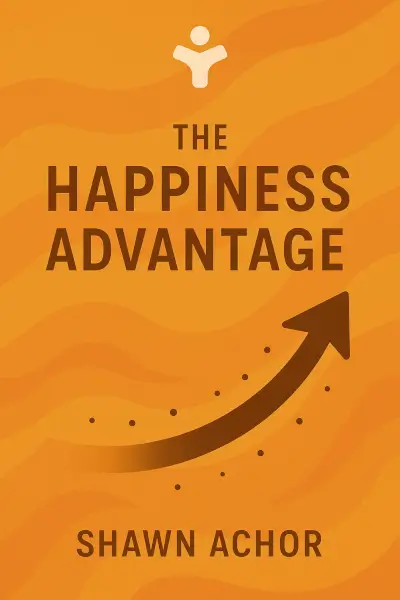
The Happiness Advantage: The Seven Principles of Positive Psychology That Fuel Success and Performance at Work
Ready to Take Action?
Get the Mentorist app and turn insights like these into daily habits.