Choose the Right Safety Strategy Instead of Relying on Paper
When fear stalks your home, a court document can feel like a lifeline. Yet not all protective orders—or restraining orders—are created equal. In some cases, the paper may soothe bystanders more than it safeguards you.
Think of restraining orders as one tool in a toolbox. They work best on people who still value social rules and fear legal repercussions. But if your aggressor has already violated every order, papers become cheerleaders in an empty stadium.
Effective safety strategies start with context. Does your ex-partner stalk you only at home or also at work? Does he threaten with words or brandish weapons? Does he respect authority at all? Each question shapes the right mix of remedies—alarms, safe houses, law enforcement escorts, or community mediation.
Ultimately, safety is not a single act of filing papers; it’s a living plan built from multiple layers—legal, practical, social—and tailored to your unique situation. By matching the right strategy to the real risk, you forge a path from reactive fear to proactive protection.
Begin by making a chart of your concerns: threats, harassment, trespassing. Next, list all possible responses—restraining order, safety apps, relocation, counseling—and rate each by how well it fits each concern. Then, check in with a qualified advocate or lawyer to confirm your plan. This clarity prevents you from chasing worthless papers and arms you with real, layered protection.
What You'll Achieve
You will learn to align legal remedies with actual threats, creating a multi-layered safety plan that goes beyond paper to practical protection. This holistic approach significantly reduces risk and builds lasting peace of mind.
Match Protection Orders to Real Risk
Clarify the true problem
Before seeking a restraining order, list specific behaviors—stalking phone calls, threats, break-ins—and decide which acts need immediate legal action and which need other interventions.
Weigh lawful options
Consider alternatives: civil peace bonds, mediated agreements, security escorts, or relocation. Match each to the actual warning signs you’ve observed.
Talk to a specialist
Consult a victim-advocate hotline or specialized lawyer who understands the limits of protective orders. Their expertise can guide you to the best fit rather than defaulting to court papers.
Plan for tomorrow
Document your safety plan: trusted contacts, escape routes, emergency codes. Legal papers alone can’t shield you; practical steps ensure you’re never caught unprepared.
Reflection Questions
- Which aspect of your situation makes legal papers insufficient on their own?
- Who can you consult to fine-tune your safety plan beyond court orders?
- What practical steps can you take this week to reinforce your protection?
Personalization Tips
- If your teenage daughter faces mild harassment, a school safety meeting might suffice over a full court order.
- When stalking first appears as odd messages, try tech-based blocks before legal papers.
- If you face escalating violence, combine a protective order with a personal alarm app and trusted-person check-ins.
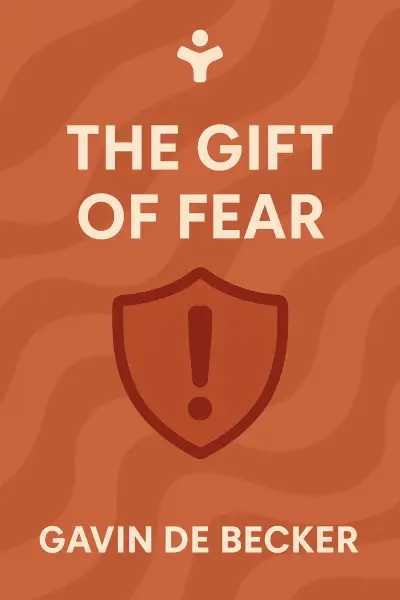
The Gift of Fear: Survival Signals That Protect Us from Violence
Ready to Take Action?
Get the Mentorist app and turn insights like these into daily habits.